What is HAVS – and can it be prevented?

HAVS, or hand-arm vibration syndrome, is a serious, work-related health issue that can develop over time through regular use of vibrating tools or machinery. While the damage caused by HAVS is irreversible, it is preventable, provided effective controls are in place.
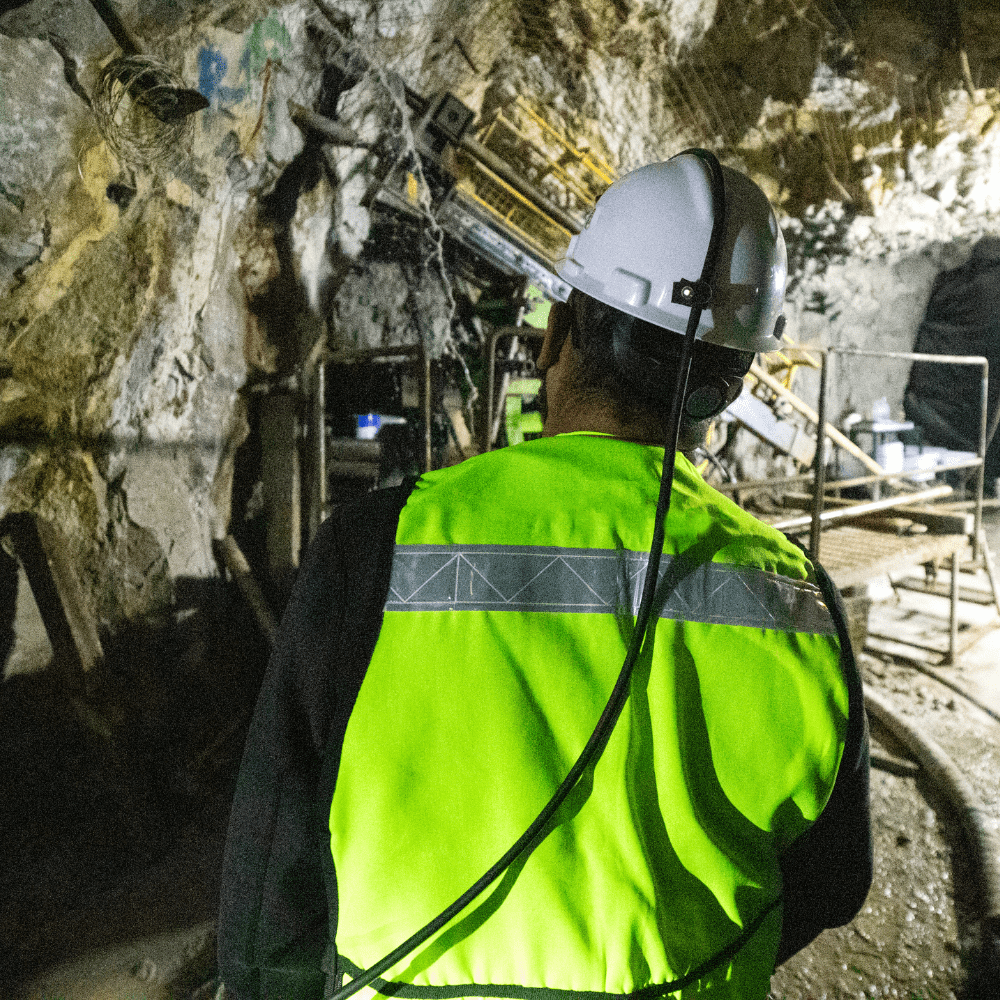
HAVS is most common in industries such as construction, manufacturing, engineering, utilities, mining and forestry, where vibrating tools are part of everyday work. It’s estimated that more than 2 million people in the UK are exposed to hand‑arm vibration at work, which is why understanding the risks – and how to manage them – is so important.

What is HAVS?
Hand‑arm vibration syndrome is caused by repeated exposure to vibration through the hands and arms. Over time, this vibration can affect blood vessels, nerves, muscles and joints, leading to lasting health problems if the condition isn’t picked up early.
One of the challenges with HAVS is that it usually develops gradually. Early signs can be mild or easy to brush off, which means people don’t always report symptoms straight away. Raising awareness and encouraging early conversations therefore play an important role in prevention efforts.
How common is HAVS in the UK?
Despite improvements in workplace practices, HAVS remains a significant occupational health issue across the UK:
- Around 220 new HAVS cases were recorded in Great Britain in 2024 through official reporting systems
- It’s estimated that approximately 300,000 people in the UK are currently living with HAVS or vibration‑related symptoms

What causes HAVS?
HAVS is most often linked to the regular or prolonged use of hand‑held vibrating tools, particularly where exposure levels aren’t properly assessed or controlled.
Some common examples include:
- Drills and jackhammers
- Chainsaws
- Sanders and grinders
- Strimmers, hedge cutters and other powered gardening equipment
Risk is influenced by the frequency and duration of use and the level of vibration involved. Poorly maintained equipment and inadequate rest breaks can also contribute to greater exposure.
What are the symptoms of HAVS?
Spotting the signs of HAVS early is crucial in preventing the condition from worsening.
Common symptoms may include:
- Tingling or numbness in the fingers
- Reduced grip strength
- Aches or pain in the hands and arms
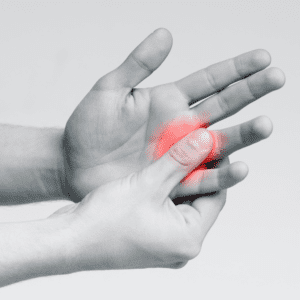
- Fingers turning white in cold or damp conditions (often referred to as vibration white finger)
In the early stages, symptoms can come and go. However, if exposure to vibration continues, they may become permanent and begin to affect everyday activities – both at work and at home.
How can HAVS be prevented?
HAVS is a preventable condition, and with effective controls in place, most people can continue to work safely with vibrating tools.
Effective prevention measures include:
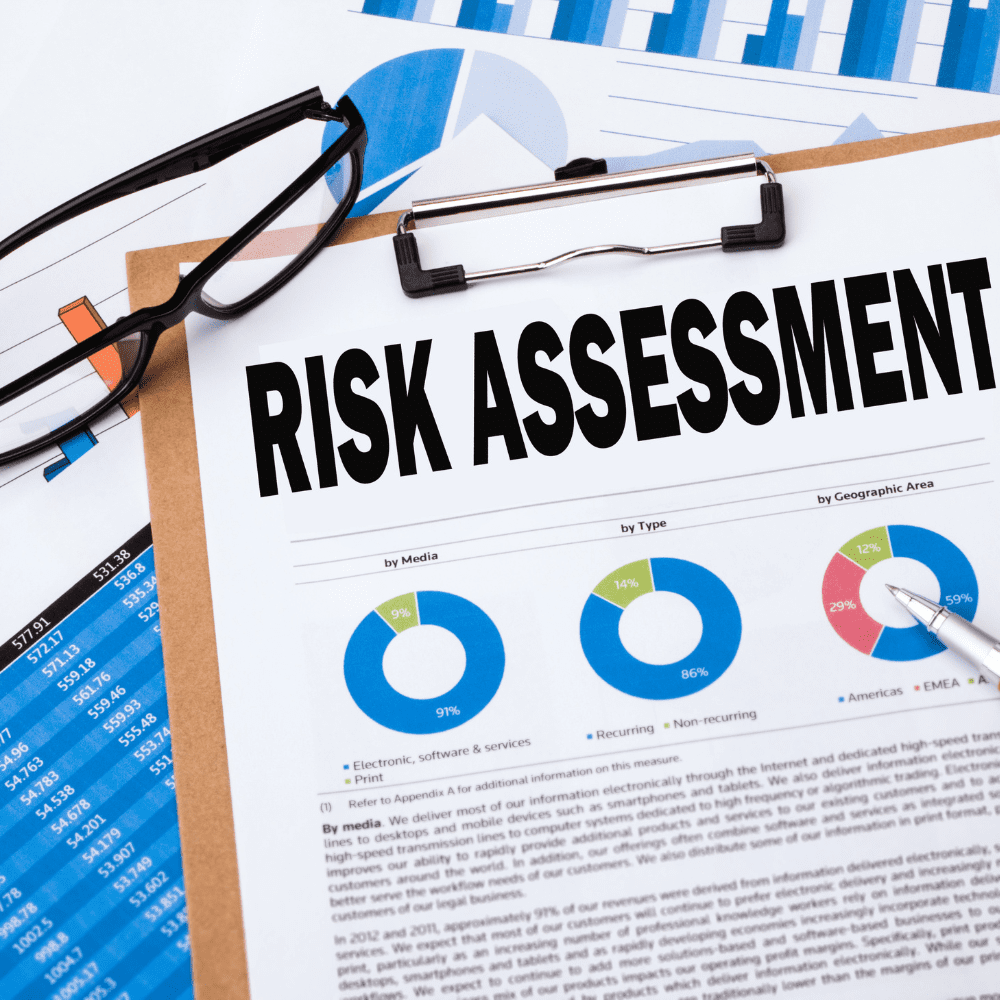
- Carrying out suitable vibration risk assessments and regularly reviewing working practices
- Redesigning tasks or processes to reduce exposure
- Selecting appropriate low‑vibration tools and ensuring they are properly maintained
- Limiting exposure time and encouraging regular rest breaks
- Supporting workers to keep their hands warm, particularly in cold conditions
- Providing training on safe tool use, recognising early symptoms and the importance of reporting concerns promptly
Where vibration exposure cannot be eliminated, health surveillance plays an important role in identifying early signs and preventing progression.
How is HAVS treated?
There is currently no cure for HAVS, which is why prevention and early action are so important. When symptoms are identified early, they can often be managed through:
- Reducing or stopping exposure to vibrating tools
- Making adjustments to work tasks or equipment
- Physiotherapy to support movement and comfort
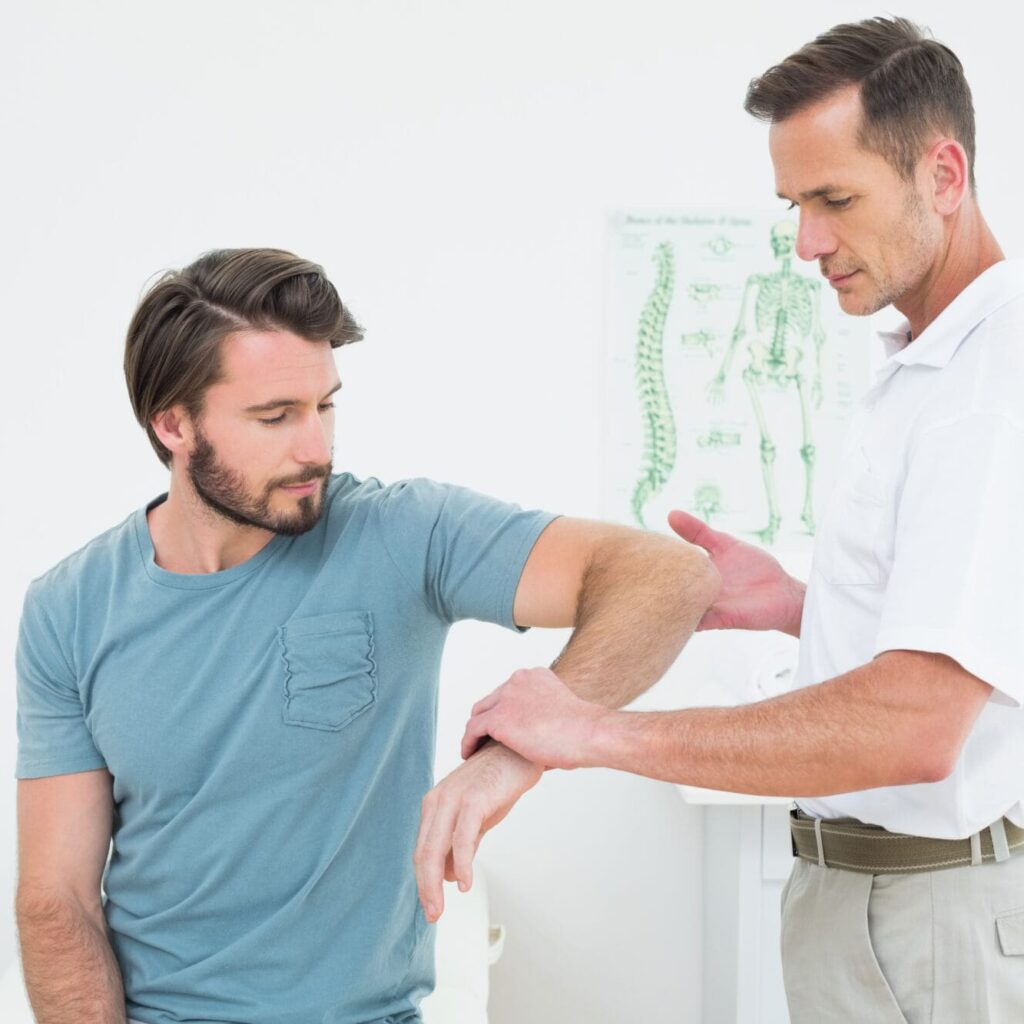
Why health surveillance matters
The Control of Vibration at Work Regulations 2005 place a legal duty on employers to provide appropriate health surveillance for employees who are exposed to hand‑arm vibration at levels that pose a risk to health. Regular HAVS assessments help identify early signs of vibration-related ill health – often before workers recognise symptoms themselves – and allow employers to act quickly to reduce further exposure and prevent the condition progressing.
Effective health surveillance also provides reassurance that existing control measures are working as intended, while highlighting where improvements may be needed. Just as importantly, it helps identify individuals who may be at higher risk and require additional protections or adjustments.
With hundreds of new HAVS cases still reported every year in the UK, ongoing monitoring through workplace health surveillance remains one of the most effective ways to protect workers’ long-term health while ensuring employers remain compliant with their legal responsibilities.
How we can help
Protecting your workforce from HAVS starts with the right support. From ongoing health surveillance and health assessments to management referrals, Medigold Health is here to help you look after your people.
Get in touch today to find out how our experts can support your business and help keep your workforce safe, healthy and performing at their best.
The Latest from our Blog…
Check out our blog for all of the latest news, events and updates from Medigold Health.
-

Health surveillance compliance: What UK employers need to know
For employers whose workers are exposed to certain occupational hazards, health surveillance is an important part of protecting employee health and safety and may be a legal requirement. Here, we explain what health surveillance is, when it’s needed and what employers need to do to stay compliant. What is health[...]
Read More -
Getting an OH Assessment: What is the process?
If you’ve been referred for an occupational health (OH) assessment, it’s natural to have questions about what it involves. Understanding the process can help make the experience feel more straightforward. An occupational health assessment is a confidential meeting with an occupational health professional. Its purpose is to understand how a[...]
Read More -
Supporting employee wellbeing when working from home
Remote and hybrid working are now a well‑established part of working life across the UK. From corporate teams and professional services to healthcare providers and fast‑growing tech businesses, many organisations now offer a mix of home- and office‑based work. ONS data quoted by HSE showed that around 38% of workers[...]
Read More