The World Cup effect: Are your employees match‑ready for work?
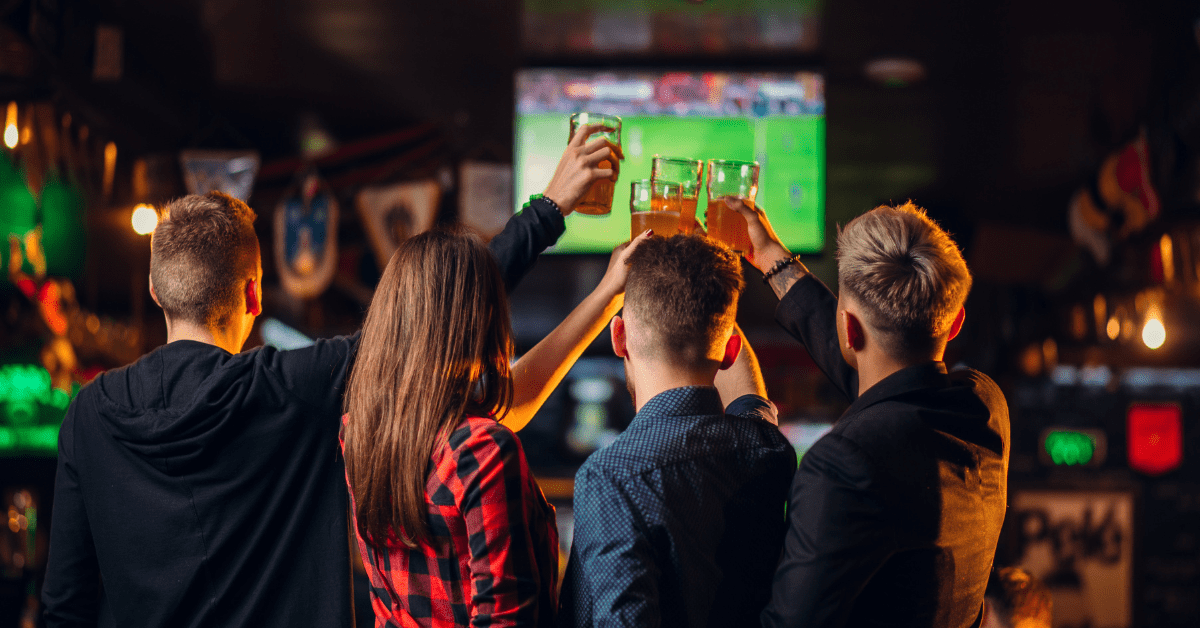
The World Cup is fast approaching and excitement is building. From nail‑biting finishes and surprise knockouts to penalty dramas and spectacular goals, sporting events like these can be a catalyst for water-cooler conversations, bringing people together and helping to lift team morale.
However, they can also bring challenges in the workplace, particularly this year, when many of the matches are scheduled to be broadcast late at night or in the very early hours due to time differences. Staying up longer to catch games, especially when coupled with increased drinking around these occasions, can disrupt routines and sleep, having a knock‑on effect on energy levels and focus.
Fatigue and reduced concentration aren’t always obvious, but they can significantly affect performance, wellbeing and safety. It’s important for employers to be aware of these potential impacts – and to know how to manage them proactively while still allowing people to enjoy the tournament.
The hidden impact of late kick-offs
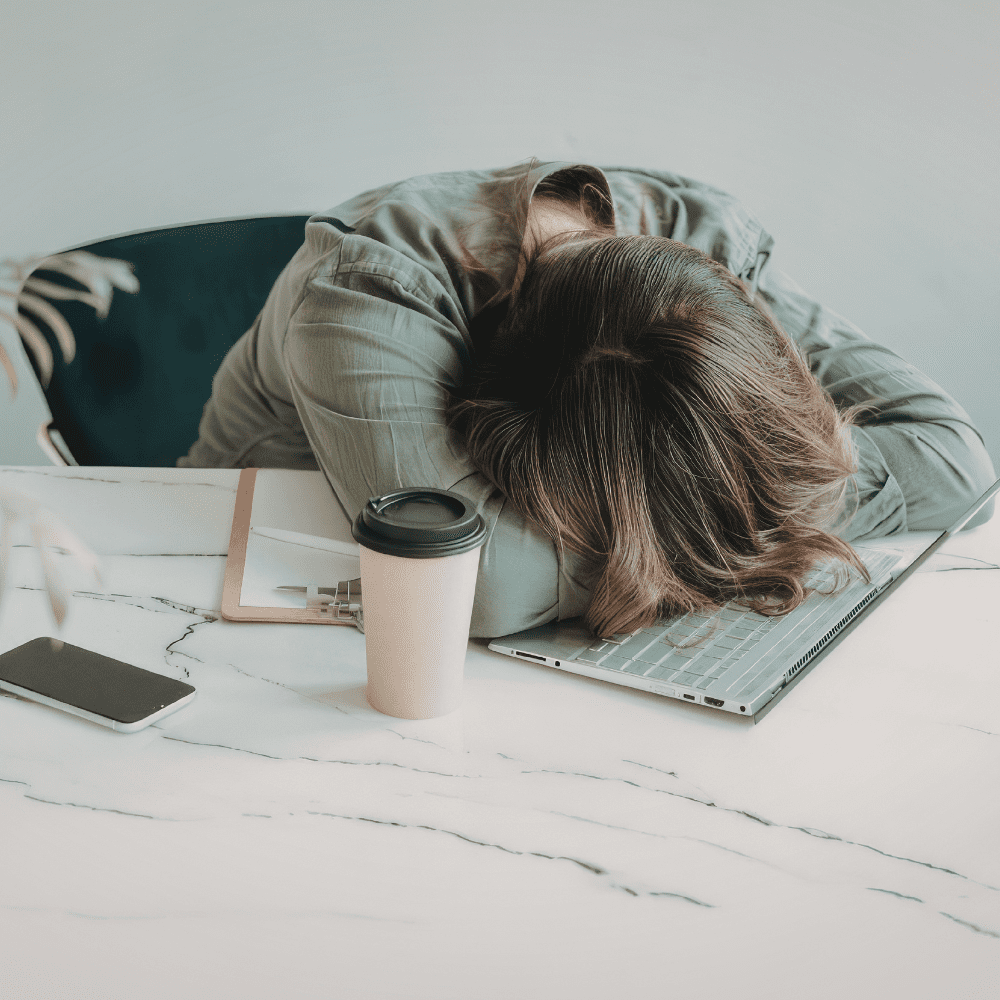
Staying up later or rising very early to watch live matches means people may miss out on the recommended 7–8 hours of sleep most adults need to function well. This might not seem significant, but even relatively small reductions in sleep can affect performance.
- Sleeping for only 5–6 hours can result in around a 19% loss in productivity
- Sleeping for fewer than 5 hours is linked to a 29% drop in productivity
- Reduced sleep increases fatigue, slows reaction times and affects decision‑making
Over the course of a long tournament, these effects can build up – particularly for employees already managing demanding workloads or long shifts.
Fatigue: the silent red card
Fatigue is one of the biggest hidden risks linked to international sporting occasions and can impair performance in ways comparable to alcohol consumption.
- After 17 hours awake, performance can be similar to that of someone with a blood alcohol concentration (BAC) of 0.05% (around 2–3 alcoholic drinks)
- After 24 hours awake, impairment is closer to 0.10% BAC – which exceeds the UK drink‑drive limit
- Fatigue is a factor in around 13% of workplace injuries
- Risks increase further for those working longer hours or night shifts, or if breaks are skipped
In short, tired employees aren’t just less productive – they’re more likely to make errors that could compromise safety, particularly in safety-critical roles.
Alcohol and the World Cup
Alcohol consumption also tends to rise during major football tournaments. During the 2018 World Cup, pub alcohol sales on match days reached up to five times the daily average.
Alcohol can impair judgement, coordination and reaction times on its own, but when combined with reduced sleep, the effects on alertness and decision-making are amplified – increasing the likelihood of errors and safety incidents at work. For some employees, this combination can significantly increase risk, even if they do not feel overtly impaired.
Supporting your teams during the tournament
While World Cup 2026 will no doubt deliver many memorable moments, the late‑night and early‑morning viewing, disrupted routines and increased alcohol consumption that will inevitably accompany it can all raise risk at work if not recognised and managed.
Planning ahead and putting the right measures in place can make all the difference. With services ranging from drug and alcohol testing and awareness training to clinical advice and absence management support, Medigold is here to help you ensure your teams stay match-ready for work, even during higher‑risk periods. Find out more here.
Want to assess how well prepared your workplace is? Complete our World Cup Quiz to test your knowledge of how reduced sleep, fatigue and alcohol can affect behaviour, performance and safety at work. Alongside your results, we’ll also send you our World Cup 2026 HR playbook, packed with practical guidance on managing risk and supporting employees during major sporting events.
The Latest from our Blog…
Check out our blog for all of the latest news, events and updates from Medigold Health.
-

Health surveillance compliance: What UK employers need to know
For employers whose workers are exposed to certain occupational hazards, health surveillance is an important part of protecting employee health and safety and may be a legal requirement. Here, we explain what health surveillance is, when it’s needed and what employers need to do to stay compliant. What is health[...]
Read More -
Getting an OH Assessment: What is the process?
If you’ve been referred for an occupational health (OH) assessment, it’s natural to have questions about what it involves. Understanding the process can help make the experience feel more straightforward. An occupational health assessment is a confidential meeting with an occupational health professional. Its purpose is to understand how a[...]
Read More -
Supporting employee wellbeing when working from home
Remote and hybrid working are now a well‑established part of working life across the UK. From corporate teams and professional services to healthcare providers and fast‑growing tech businesses, many organisations now offer a mix of home- and office‑based work. ONS data quoted by HSE showed that around 38% of workers[...]
Read More