Health surveillance compliance: What UK employers need to know

For employers whose workers are exposed to certain occupational hazards, health surveillance is an important part of protecting employee health and safety and may be a legal requirement. Here, we explain what health surveillance is, when it’s needed and what employers need to do to stay compliant.
What is health surveillance and when is it required?
Health surveillance is a system of ongoing health checks designed to identify the early signs of work-related ill health.
It is usually only needed when employees are exposed to specific workplace hazards where there is a recognised link between that exposure and a particular health condition. Typical examples include exposure to excessive noise, hand-arm vibration, or hazardous substances, including respiratory sensitisers and certain chemicals.
Regulators continue to place a strong emphasis on preventing occupational illness, making it essential for employers to understand and comply with their legal responsibilities in this area.
Key health surveillance regulations every employer should know
Health surveillance requirements are governed by several pieces of health and safety legislation. The ones listed below cover some of the most common workplace exposures. However, additional requirements may apply in specialist environments involving specific hazards.

The Management of Health and Safety at Work Regulations 1999
The Management of Health and Safety at Work Regulations 1999 (MHSWR) provide the overarching framework for identifying workplace health risks and determining whether health surveillance may be required. They place a duty on employers to carry out suitable and sufficient risk assessments and implement appropriate preventative measures to protect employees.
Where risks cannot be completely eliminated, health surveillance may be necessary to monitor employees’ health, ensuring any emerging issues are identified as early as possible and providing reassurance that existing control measures are working effectively.
For HR professionals and senior leaders, these regulations form the starting point for compliance.
The Control of Substances Hazardous to Health Regulations 2002 (COSHH)
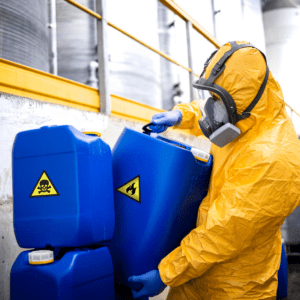
The COSHH regulations apply wherever employees are exposed to hazardous substances that could damage their health. This includes chemicals, dusts, fumes, biological agents and other hazardous materials found across a wide range of workplaces, including within manufacturing, healthcare, construction and engineering.
Where exposure presents a significant health risk, employers may need to provide health surveillance alongside appropriate control measures.
In recent years, there has been increased regulatory attention on exposure to respirable crystalline silica, welding fumes and asbestos in particular because of their association with serious occupational diseases including silicosis, lung cancer and mesothelioma. Organisations operating in higher-risk industries should stay abreast of the latest HSE guidance and regularly review their COSHH assessments to ensure they remain up to date and accurately reflect current working practices.

The Control of Noise at Work Regulations 2005
Prolonged exposure to excessive noise can lead to permanent hearing damage. The Control of Noise at Work Regulations require employers to assess noise exposure in the workplace, reduce risks wherever reasonably practicable, and provide hearing protection where necessary.
Where employees are regularly exposed above the upper exposure action values, health surveillance in the form of regular hearing tests (audiometry) may also be required.
Routine audiometry can help identify early changes in hearing before permanent damage occurs, allowing employers to review workplace controls and protect employees more effectively.
The Control of Vibration at Work Regulations 2005
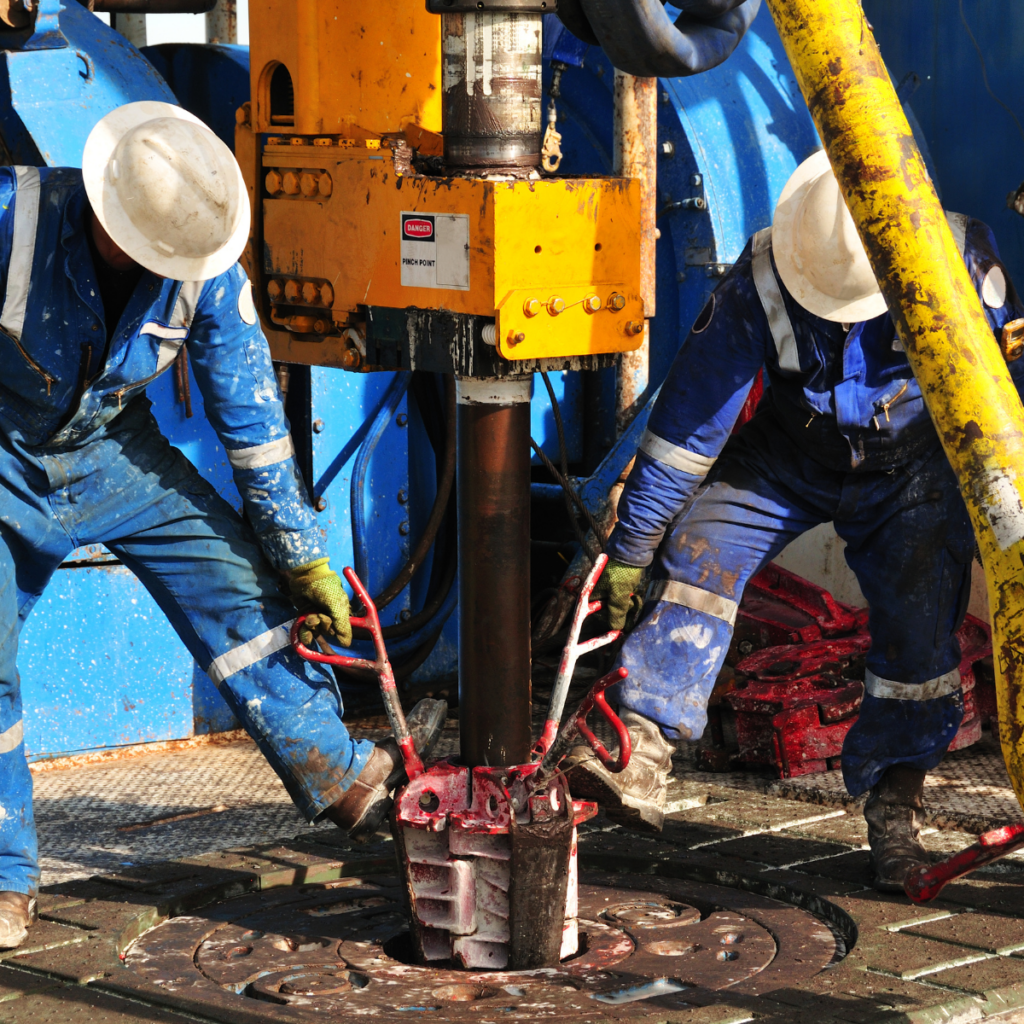
Employees who regularly use vibrating hand-held tools or machinery may be at risk of developing hand-arm vibration syndrome (HAVS), a potentially permanent condition affecting blood vessels, nerves and joints.
The Control of Vibration at Work Regulations require employers to assess vibration exposure, reduce risks and introduce suitable health surveillance where exposure levels justify it. Early identification of symptoms allows organisations to intervene before conditions become more serious, protecting both employees and business continuity.

The Working Time Regulations 1998
Although not always immediately associated with health surveillance, the Working Time Regulations play an important role in protecting employee wellbeing.
Night working carries recognised health risks, and employees who regularly work night shifts must be offered appropriate health assessments before starting night work and at regular intervals throughout their employment. These assessments help identify potential issues and support early intervention where needed.
Why compliance is so important
Meeting your legal obligations is only part of the picture.
When delivered effectively, health surveillance helps organisations build a clearer understanding of workforce health and provides valuable insight into whether workplace controls are delivering the desired outcomes. This enables informed decision-making around employee wellbeing, absence management and future risk reduction, helping to reduce the likelihood of long-term illness, sickness absence and costly compensation claims.
For HR teams and senior leaders, health surveillance can also support stronger governance by providing documented evidence that health risks are being appropriately monitored and acted upon. Maintaining accurate records, reviewing outcomes and implementing occupational health recommendations allows organisations to meet their legal responsibilities while fostering a healthier, safer and more resilient workforce.
Keep your business compliant
Health surveillance should never be viewed as a tick-box exercise. No matter what industry your organisation operates in, regularly reviewing your health surveillance programme is crucial to ensure it remains aligned with the risks your employees face.
Click here to learn more about how Medigold Health can support your organisation with compliant, tailored health surveillance services that give you confidence that you’re meeting both your legal responsibilities and your commitment to supporting employee health and wellbeing.
The Latest from our Blog…
Check out our blog for all of the latest news, events and updates from Medigold Health.
-

Health surveillance compliance: What UK employers need to know
For employers whose workers are exposed to certain occupational hazards, health surveillance is an important part of protecting employee health and safety and may be a legal requirement. Here, we explain what health surveillance is, when it’s needed and what employers need to do to stay compliant. What is health[...]
Read More -
Getting an OH Assessment: What is the process?
If you’ve been referred for an occupational health (OH) assessment, it’s natural to have questions about what it involves. Understanding the process can help make the experience feel more straightforward. An occupational health assessment is a confidential meeting with an occupational health professional. Its purpose is to understand how a[...]
Read More -
Supporting employee wellbeing when working from home
Remote and hybrid working are now a well‑established part of working life across the UK. From corporate teams and professional services to healthcare providers and fast‑growing tech businesses, many organisations now offer a mix of home- and office‑based work. ONS data quoted by HSE showed that around 38% of workers[...]
Read More