
Nitrous oxide – the not-so-funny facts
Although it is often classed as a ‘soft’ drug, the effects of laughing gas are far from funny, and it’s important that young people know what they’re gambling every time they misuse it.

Scot Smith, CEO at Hampton Knight outlines all of the facts you need to be able to talk confidently with your kids about why messing with nitrous oxide is no laughing matter.
What is nitrous oxide?
Nitrous oxide is a colourless gas that is regularly used in medical settings, mixed with oxygen, for sedation and pain relief and in commercial catering as a propellant for whipped cream.
When used recreationally, nitrous oxide is usually inhaled from a balloon that has been inflated using a whipped cream charger, the silver cannisters that are frequently seen littering streets and parks, which offer a visible indication of its increasing popularity.
Most commonly known as ‘laughing gas’ because of the fits of laughter that it can induce, nitrous oxide is often seen as a harmless, soft drug, however, the reality isn’t so funny. In fact, those who misuse nitrous oxide could be putting their health at considerable risk.
Why nitrous oxide misuse is no laughing matter
Nitrous oxide is a central nervous system depressant and when inhaled, it slows down the brain and body’s responses, which can cause people to experience feelings of happiness, relaxation and euphoria, fits of giggles, and hallucinations and sound distortions.
Alongside these more desirable effects, it can also cause light-headedness, dizziness, nausea, severe headaches and temporary but intense feelings of paranoia, and affect your coordination and stop you from thinking straight.
One of the main concerns surrounding nitrous oxide misuse is that people tend to use it alongside other substances, and because the effects are relatively short-lived, there is a risk of people frequently re-dosing and taking more than they intended.
Mixing nitrous oxide with alcohol is particularly common and amplifies the risks associated with both substances, leading people to engage in more dangerous behaviour and increasing the likelihood of accidents. When used in high doses or inhaled directly from the canister or in an enclosed space, nitrous oxide can be extremely dangerous and can potentially result in oesophageal or facial burns and cause a lack of oxygen to the brain, which can lead to breathing difficulties, unconsciousness, and suffocation.
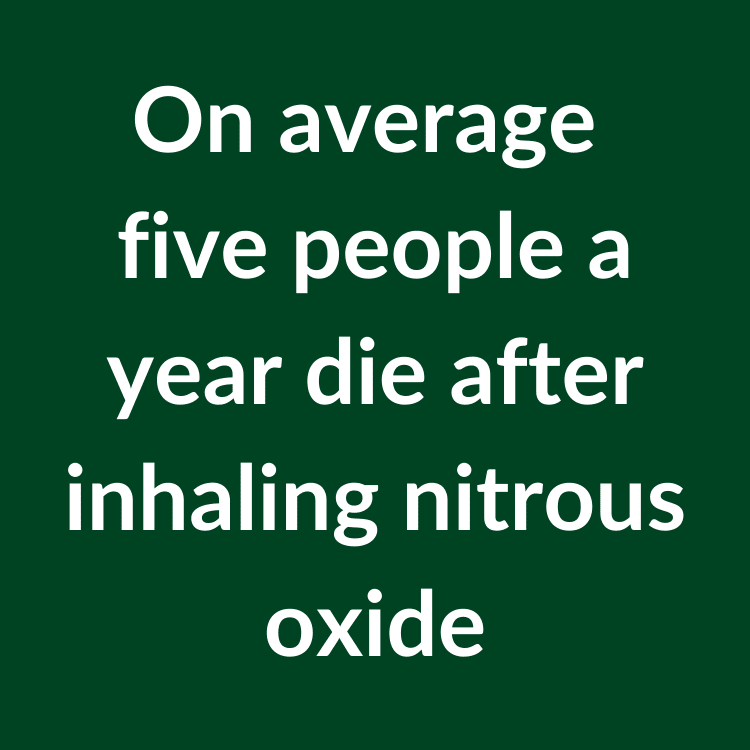
Regular or heavy use has been linked to circulatory problems, severe vitamin B12 deficiency (which can lead to anaemia and neurological damage), psychiatric issues, and even death, with an average of five people a year dying after inhaling the gas.
The law
Under the Psychoactive Substances Act 2016, it is illegal to supply nitrous oxide for recreational use. However, because it is used in the catering industry, it is still readily available and cheap to purchase, particularly online, and therefore easily accessible even to under-18s.
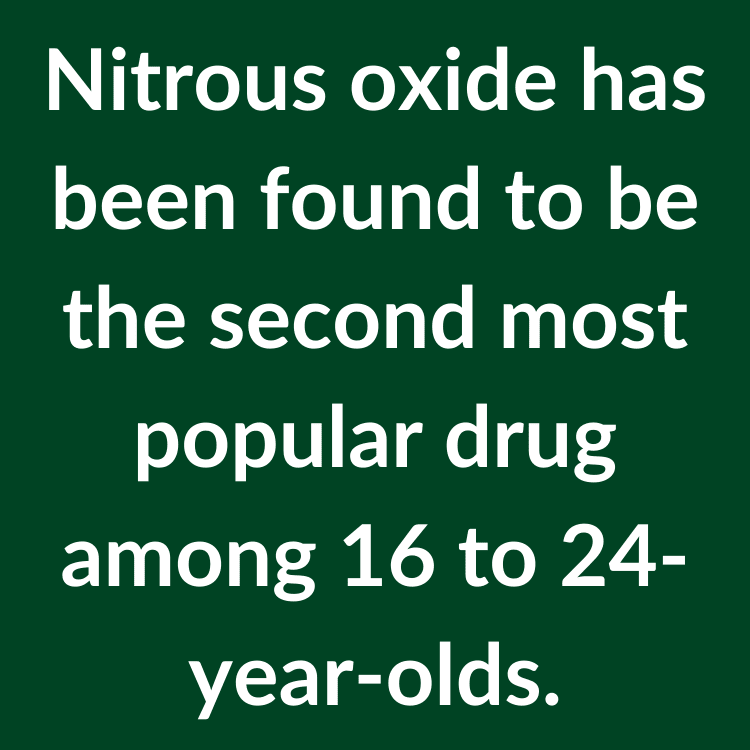
The 2018/2019 Crime Survey for England and Wales found that it is the second most popular drug behind cannabis among 16 to 24-year-olds in the UK and there have been reports of it being used by children as young as 11 years old.
Although the risks from nitrous oxide misuse are comparatively lower than those associated with other drugs, with it being so easy to get hold of, the worry for many parents will be that once children start using laughing gas to get high, they may later be tempted to move on to more dangerous or addictive substances.
While some experts are calling for tighter regulation around the sale of nitrous oxide, particularly amid concerns about an apparent increase in its misuse during the coronavirus pandemic, it seems that the most important thing right now is to raise public awareness of the drug and its potentially lethal side effects.
The Latest from our Blog…
Check out our blog for all of the latest news, events and updates from Medigold Health.
-

Health surveillance compliance: What UK employers need to know
For employers whose workers are exposed to certain occupational hazards, health surveillance is an important part of protecting employee health and safety and may be a legal requirement. Here, we explain what health surveillance is, when it’s needed and what employers need to do to stay compliant. What is health[...]
Read More -
Getting an OH Assessment: What is the process?
If you’ve been referred for an occupational health (OH) assessment, it’s natural to have questions about what it involves. Understanding the process can help make the experience feel more straightforward. An occupational health assessment is a confidential meeting with an occupational health professional. Its purpose is to understand how a[...]
Read More -
Supporting employee wellbeing when working from home
Remote and hybrid working are now a well‑established part of working life across the UK. From corporate teams and professional services to healthcare providers and fast‑growing tech businesses, many organisations now offer a mix of home- and office‑based work. ONS data quoted by HSE showed that around 38% of workers[...]
Read More