Discover our top strategies for a healthier, happier workplace

April is Stress Awareness Month, and we’re taking this opportunity to spotlight the impact of stress in the workplace and its effects on employees’ mental wellbeing! We’ll also share practical strategies to help create a stress-free environment, ensuring your team feels supported and empowered to thrive.

The impact of workplace stress
Workplace stress is a significant issue that affects both employees and employers. When stress levels are high, it can create a negative work environment, lower productivity, and lead to more sick days.
In fact, in the UK alone, stress, depression, and anxiety caused employees to miss a staggering 17.1 million working days in 2022/23. This doesn’t just affect the wellbeing of employees; it also hits businesses hard, with financial losses estimated between £42 billion to £45 billion each year.
When employees are stressed, it can create a ripple effect throughout the workplace. Morale drops, collaboration suffers, and overall job satisfaction decreases, leading to higher turnover rates and difficulty retaining top talent; not what you want when running a business!
Fortunately, there are several things you can do to reduce stress in the workplace and improve your employee wellbeing. Here are some of our top tips to help you create a happier, healthier, more productive work environment!
Ways to reduce workplace stress
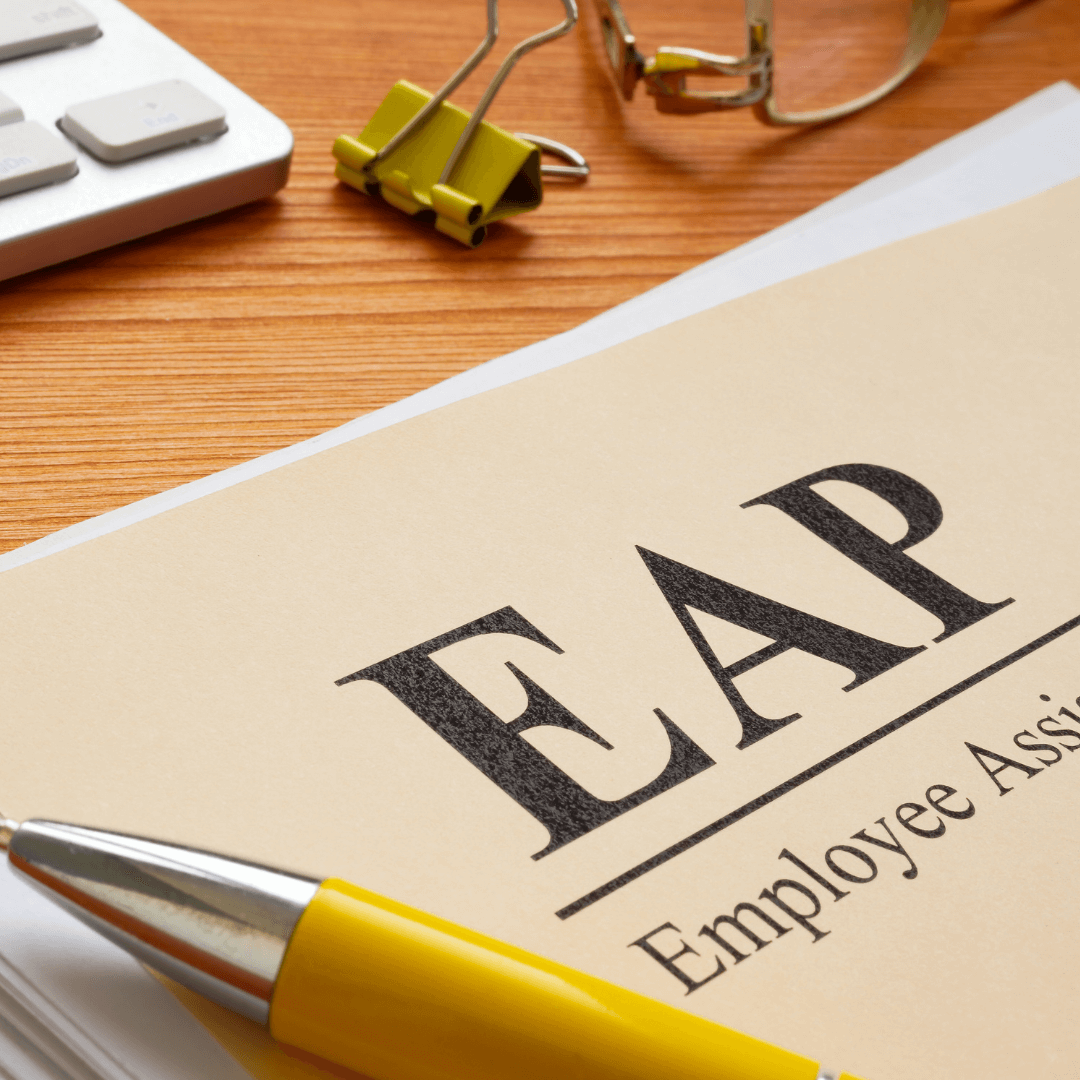
Have an Employee Assistance Programme (EAP)
An EAP offers confidential counselling and support services to help employees manage stress. Whether they need professional help for personal or work-related issues, it can be a great tool to reduce stress levels and improve employee wellbeing.
Additionally, EAPs encourage a proactive approach to mental wellbeing and can prevent any issues from escalating into more serious problems that could affect an employee’s performance and health. The confidentiality of these services also ensures that employees feel safe and secure in seeking help, without fear of judgment or repercussions they might worry about if speaking to a colleague, friend, or family member.

Allow flexibility where possible
Flexible working arrangements, such as remote work or flexible hours, can significantly enhance employees’ ability to balance their work and personal lives. When employees have the freedom to manage their schedules, they can better accommodate personal commitments, family responsibilities, and self-care activities. This flexibility can lead to a substantial reduction in stress levels, as employees no longer have to juggle rigid work hours with their personal lives and they simply have more time to look after themselves.
Ensure annual leave days are fully taken, and employees take regular breaks
Encouraging employees to take their full annual leave entitlement ensures they have ample time to rest, recharge, and pursue personal interests, helping them to return to work feeling refreshed and more productive!
Regular breaks throughout the workday are equally important. Short breaks can help employees stay focused and energised; whether it’s a quick walk, a coffee break, or simply stepping away from the desk for a few minutes, these small pauses can significantly reduce stress levels and improve overall wellbeing.


Promote a culture of work/life balance
Creating an organisational environment where work/life balance is valued is key to positive employee wellbeing and a productive workplace.
You can do this by ensuring employee workload is realistic, respecting personal time, and encouraging employees to disconnect from work outside of office hours. Promoting a healthy work/life balance can lead to happier, more engaged employees who are less likely to experience high levels of stress and also less likely to leave the business!
As we celebrate Stress Awareness Month 2025, take a moment to think about your workplace and how you can reduce stress for your team. If you need some guidance, our occupational health experts are always here to help, get in touch today!
The Latest from our Blog…
Check out our blog for all of the latest news, events and updates from Medigold Health.
-

Health surveillance compliance: What UK employers need to know
For employers whose workers are exposed to certain occupational hazards, health surveillance is an important part of protecting employee health and safety and may be a legal requirement. Here, we explain what health surveillance is, when it’s needed and what employers need to do to stay compliant. What is health[...]
Read More -
Getting an OH Assessment: What is the process?
If you’ve been referred for an occupational health (OH) assessment, it’s natural to have questions about what it involves. Understanding the process can help make the experience feel more straightforward. An occupational health assessment is a confidential meeting with an occupational health professional. Its purpose is to understand how a[...]
Read More -
Supporting employee wellbeing when working from home
Remote and hybrid working are now a well‑established part of working life across the UK. From corporate teams and professional services to healthcare providers and fast‑growing tech businesses, many organisations now offer a mix of home- and office‑based work. ONS data quoted by HSE showed that around 38% of workers[...]
Read More