Supporting employee health: Sleep conditions at work

We spend around a third of our lives asleep, yet many of us don’t give sleep the attention it deserves – until problems begin to affect our health, wellbeing, and ability to function at work.
Sleep disorders are more common than you might think, and their impact can go far beyond tiredness alone. Poor sleep is linked to a range of physical and mental health challenges, from difficulty concentrating and low mood to a heightened risk of long-term health conditions.
In this article, we explore four of the most common sleep conditions, how they may affect employees in the workplace, and the role occupational health can play in supporting those affected.
What are the most common sleep disorders?
Insomnia
Insomnia is one of the most common sleep disorders, affecting up to a third of adults. It’s characterised by difficulty falling asleep, staying asleep, or waking up too early. Sufferers often feel persistently tired and may struggle to concentrate or manage their mood.
Common causes include:
- Stress or anxiety
- Menopausal symptoms
- Poor sleep environment
- Alcohol, caffeine, nicotine, or recreational drugs
- Shift work or jet lag
Support strategies:
- Maintain a consistent sleep schedule
- Encourage exercise and sleep hygiene
- Consider cognitive behavioural therapy for insomnia (CBT-I)

Sleep Apnoea
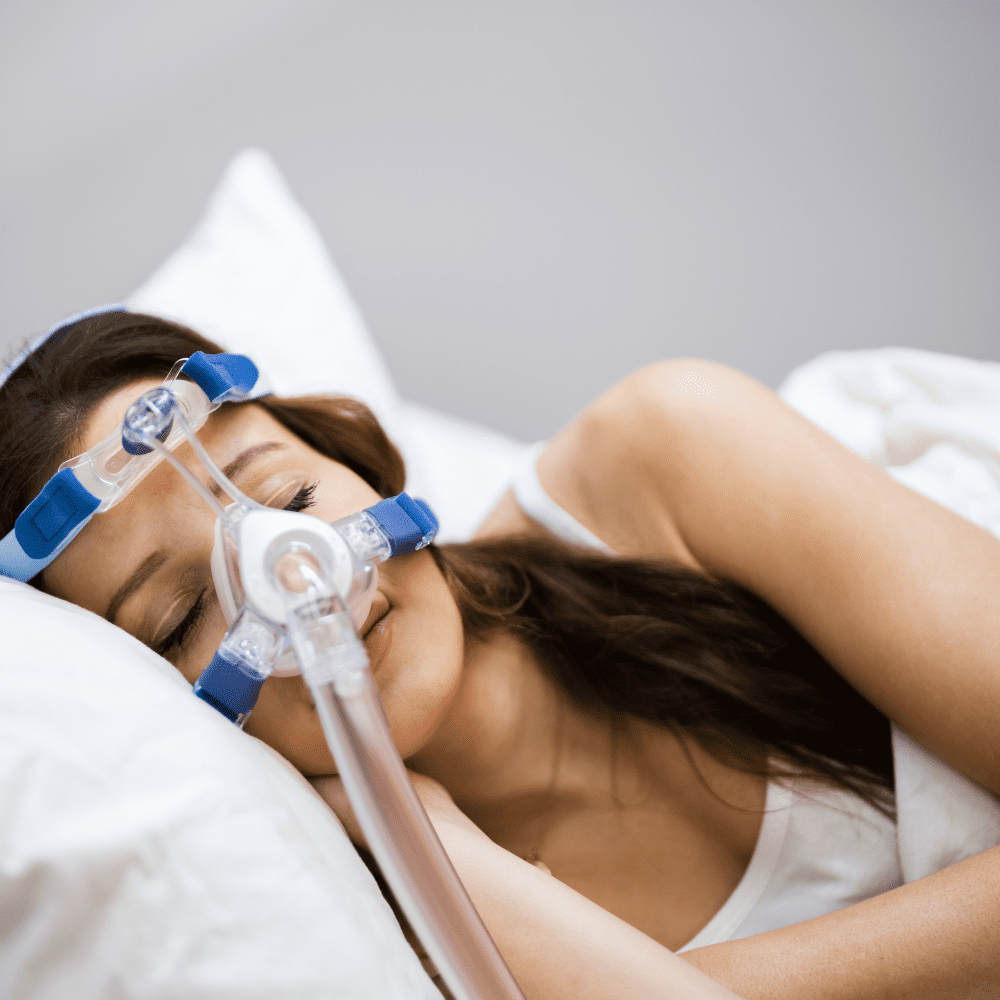
Obstructive sleep apnoea (OSA) causes breathing to repeatedly stop and start during sleep. Sufferers may snore loudly, wake frequently, and feel excessively tired during the day.
Associated health risks include:
- High blood pressure
- Heart disease and stroke
- Poor concentration and mood changes
Treatment options:
- CPAP machines (to keep airways open at night)
- Weight loss and side-sleeping
- Avoiding alcohol and smoking
DVLA Note: Employees with moderate or severe OSA and daytime sleepiness must inform the DVLA.
Narcolepsy
Narcolepsy is a rare neurological condition that prevents the brain from regulating sleep properly. This can result in overwhelming daytime drowsiness and sudden sleep attacks.
Symptoms include:
- Sleep attacks
- Muscle weakness (cataplexy)
- Sleep paralysis and vivid dreams
Management:
- Scheduled daytime naps
- Medications to regulate alertness
Driving alert: Narcolepsy must be reported to the DVLA.


Restless Legs Syndrome (RLS)
RLS causes an irresistible urge to move the legs, often due to uncomfortable sensations. It can interfere with the ability to fall or stay asleep.
Possible triggers:
- Dopamine imbalance
- Iron deficiency or kidney issues
- Pregnancy
Treatment:
- Exercise and sleep hygiene
- Medication for severe symptoms
- Addressing any underlying medical causes
How do sleep conditions affect work?
Sleep disorders can significantly affect an employee’s performance, attendance, and safety. Key workplace impacts include:
- Fatigue and impaired concentration
- Increased risk of mistakes and accidents
- Mood and behavioural changes
- Lateness or absenteeism
- Poor coping and reduced resilience
Sleep conditions are also linked to long-term health risks such as cardiovascular disease and metabolic disorders.
What can employers do?
Creating a supportive work environment makes a big difference. Employers should:
- Encourage open conversations about sleep health
- Support employees to speak to their GP
- Consider whether the employee’s role is safety-critical
- Review and adjust shift patterns where possible
- Conduct work stress risk assessments if needed
- Make reasonable adjustments with occupational health input
- Be aware of DVLA obligations around fitness to drive
Need help supporting employees with sleep-related health concerns?
Our expert occupational health team is here to guide you. Whether it’s assessing fitness to work, recommending reasonable adjustments, or developing wellbeing strategies, we’re ready to help your people sleep better and perform at their best.
Useful resources
The Latest from our Blog…
Check out our blog for all of the latest news, events and updates from Medigold Health.
-

Stress Awareness Month: How to manage different types of stress
Within the last year, 74% of people have felt so stressed that they have been overwhelmed or unable to cope. 2nd November marks Stress Awareness Day, a day dedicated to raising awareness of stress, its symptoms and the long-term consequences. This blog delves into the different types of stress,[...]
Read More -
Transforming menopause support in the workplace: Medigold Health partners with Adora
Menopause is a natural stage of life, yet for many people it remains one of the most misunderstood and under-supported health transitions – particularly in the workplace. Physical and emotional symptoms such as hot flushes, fatigue, disrupted sleep, anxiety, and brain fog can make day-to-day work much harder. Without the[...]
Read More -
Health & Wellbeing at Work 2026: Show round-up and highlights!
On March 10th and 11th, our Medigold team once again headed to the Health & Wellbeing Show, where we were proud to return as this year’s Headline Sponsor. It proved to be an incredibly successful two days – full of meaningful conversations, high‑energy engagement and a fantastic opportunity to showcase[...]
Read More