Alcohol and Drug Testing Mythbusters
‘Refusing to have an alcohol or drug test is treated the same as a positive test.’
‘Passive cannabis inhalation can cause a positive drug test result’.
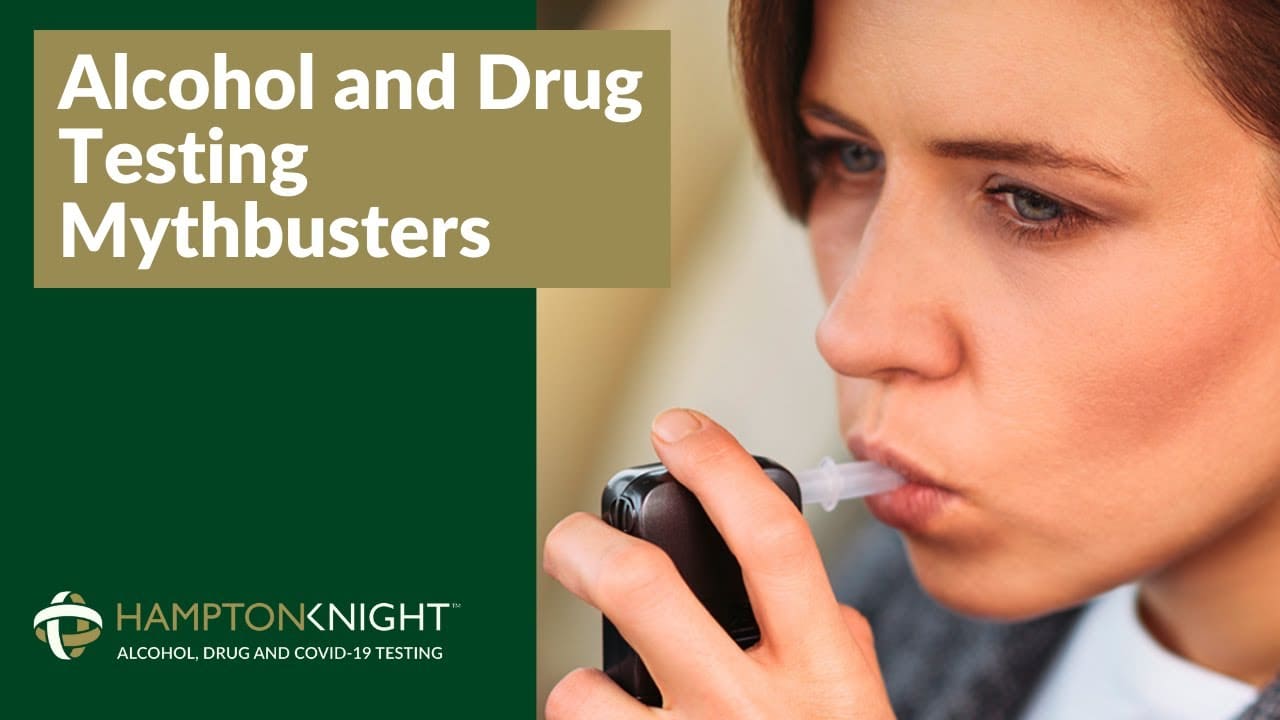
There are many misconceptions around alcohol and drug testing, and over the years we’ve heard all sorts of myths, but which are based in fact and which are fiction?
Is it really easy to cheat a urine drugs test? And can the use of mouthwash or breath spray incorrectly give a positive breath alcohol test result?
Click play below to find out!
To learn more about Alcohol Awareness Week, visit the Alcohol Change website where you can also find lots of interactive tools, alcohol-related reports, articles, resources and personal stories, along with information about all the important work the charity does.
The Latest from our Blog…
Check out our blog for all of the latest news, events and updates from Medigold Health.
-

HSE Campaign: Employers to prevent noise and vibration damage
Noise and vibration are two of the more common hazards in UK workplaces. Hearing loss and hand-arm vibration syndrome (HAVS) often develop slowly, and by the time a worker notices a problem, some of the damage could already be permanent. That is the message behind a new campaign from the[...]
Read More -
Health surveillance compliance: What UK employers need to know
For employers whose workers are exposed to certain occupational hazards, health surveillance is an important part of protecting employee health and safety and may be a legal requirement. Here, we explain what health surveillance is, when it’s needed and what employers need to do to stay compliant. What is health[...]
Read More -
Getting an OH Assessment: What is the process?
If you’ve been referred for an occupational health (OH) assessment, it’s natural to have questions about what it involves. Understanding the process can help make the experience feel more straightforward. An occupational health assessment is a confidential meeting with an occupational health professional. Its purpose is to understand how a[...]
Read More