
Managing your blood pressure
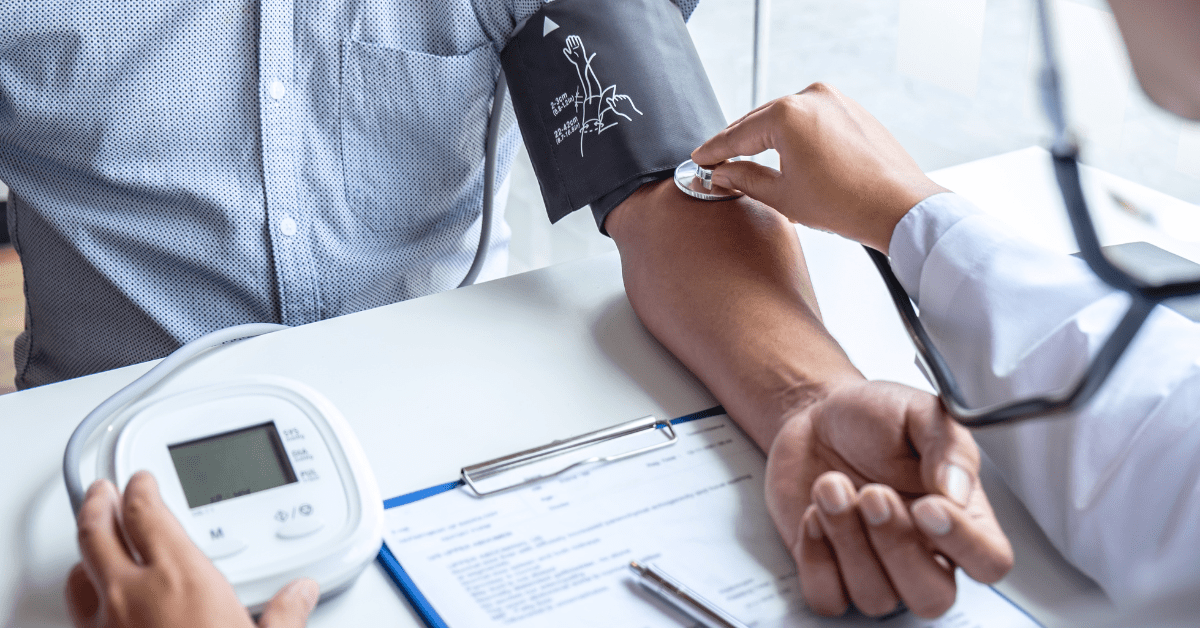
Your heart is a powerful muscle that works around the clock, pumping blood through a vast network of blood vessels. The force of this blood flow against the walls of your arteries is what we call blood pressure.
Keeping your blood pressure in a healthy range is one of the most important things you can do for your long-term health – and with the right knowledge and support, it’s something you can take control of.
What is blood pressure?
Blood pressure is measured in millimetres of mercury (mmHg) and written as two numbers — for example, 120/80 mmHg.
- The first (higher) number is the pressure when your heart beats (systolic pressure).
- The second (lower) number is the pressure when your heart is at rest between beats (diastolic pressure).
Your ideal blood pressure should be below 120/80 mmHg.
What is high blood pressure?
High blood pressure, also known as hypertension, is typically diagnosed when your readings are 140/90 mmHg or higher on a consistent basis.
If your blood pressure reaches 160/100 mmHg or more, medical treatment is usually recommended.
What causes high blood pressure?
In most cases (around 95%), high blood pressure develops gradually over time and doesn’t have a single identifiable cause — but certain lifestyle factors can significantly increase your risk:
• A diet high in saturated fat
• Too much salt
• Being overweight
• Lack of physical activity
• Drinking too much alcohol
In some people, an underlying health condition – such as kidney disease, diabetes or heart disease — may be contributing to high blood pressure.
Why it matters
If left unmanaged, high blood pressure can lead to serious health problems, including:
- Heart attacks
- Strokes
- Kidney damage
- Heart failure
The good news? It’s manageable — and often preventable.
Simple ways to lower your blood pressure
Making small, consistent lifestyle changes can have a big impact on your health. Here are some effective ways to reduce your blood pressure:
• Cut down on salt
• Reduce saturated fats in your diet
• Lose excess weight
• Get more active — aim for 30 minutes of moderate activity most days
• Drink alcohol in moderation
• Take time to relax and manage stress
• Have your blood pressure checked regularly.
How Medigold Health can help
At Medigold Health, we offer a range of workplace wellbeing checks including:
- Blood pressure measurements
- Height, weight and BMI checks
- Personalised advice on diet, activity levels, and general wellbeing
If you’d like to find out more about our workplace wellbeing services and how we can help support your employees health, click here.
The Latest from our Blog…
Check out our blog for all of the latest news, events and updates from Medigold Health.
-

Health & Wellbeing at Work 2026: Show round-up and highlights!
On March 10th and 11th, our Medigold team once again headed to the Health & Wellbeing Show, where we were proud to return as this year’s Headline Sponsor. It proved to be an incredibly successful two days – full of meaningful conversations, high‑energy engagement and a fantastic opportunity to showcase[...]
Read More -
Neurodiversity Celebration Week 2026: From awareness to action
Neurodiversity Celebration Week began in 2018 with the goal of challenging stereotypes, breaking down misconceptions, and recognising the many skills and strengths of neurodivergent individuals. As we move into Neurodiversity Celebration Week 2026, the conversation is shifting. This year’s theme – “From awareness to action” – is a clear call[...]
Read More -
Reasonable Adjustments Series: Anxiety
This blog is written by Barrie Norman Jnr – Senior Mental Health First Aid and Suicide First-Aid trainer, and Operational Lead. Anxiety is something most of us experience at some point in our working lives. In the UK, millions of working age adults report symptoms of anxiety each year, which means it is very likely present[...]
Read More