National Work Life Week 2021
National Work Life Week (11-15 October), an annual campaign run by the charity Working Families, is the perfect opportunity to get employers and employees talking about how we can all achieve more balance between our work and home lives and why it is so important for our wellbeing.
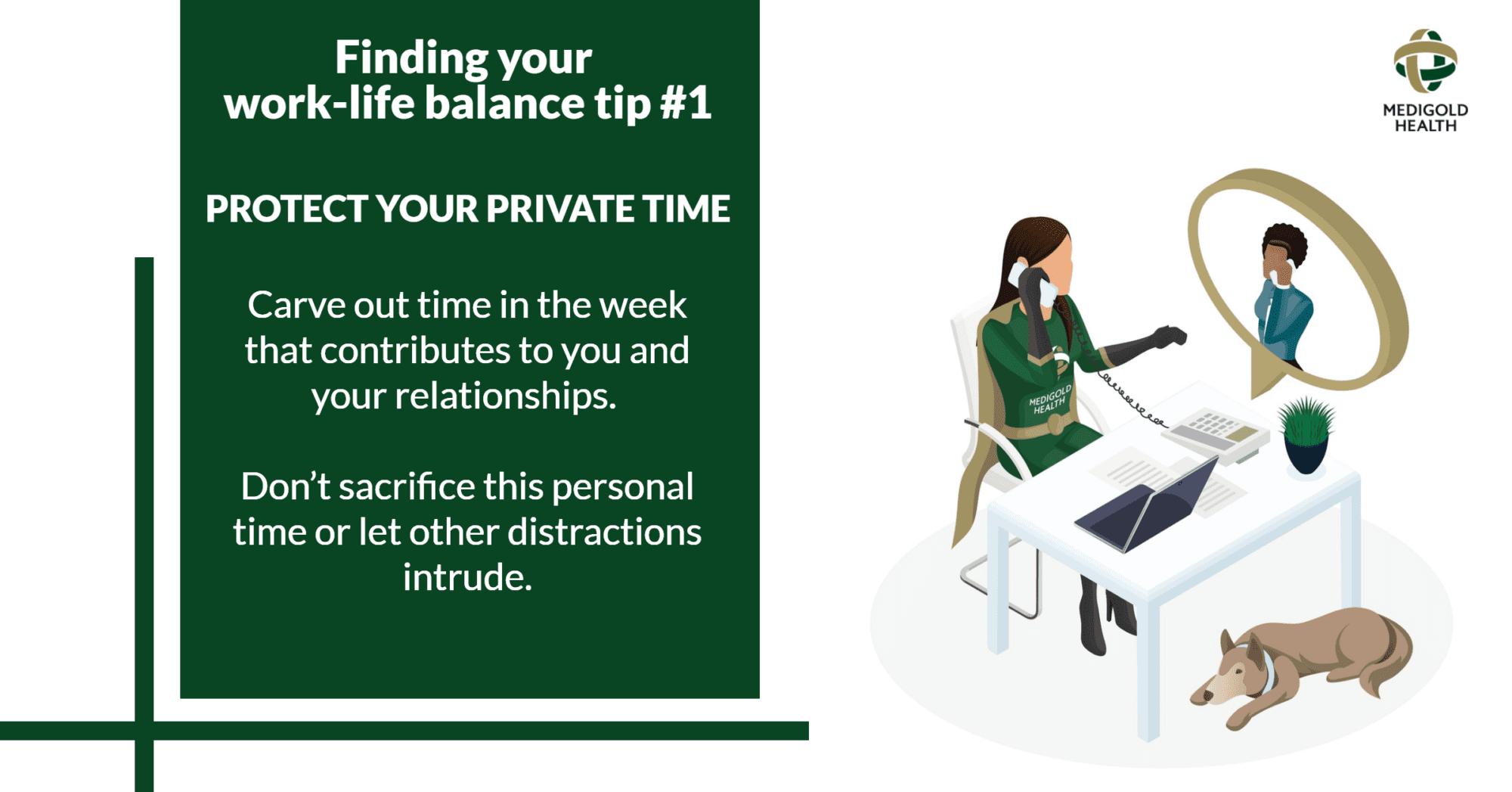
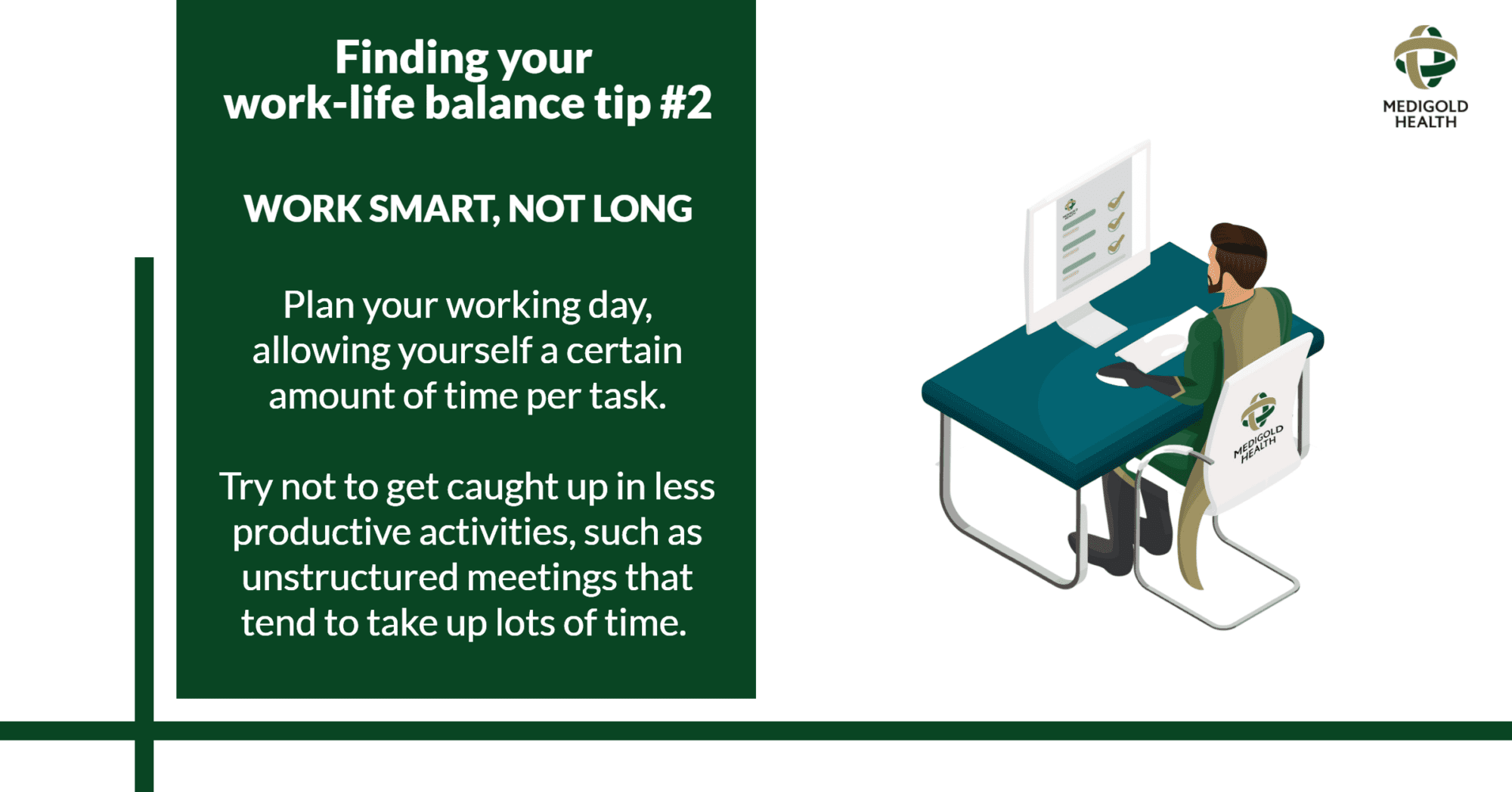
With all of the workplace challenges brought about by the pandemic, many of us will have struggled to keep our work-life balance in check over the last 18 months, so we thought we’d share our top five tips for easy ways to restore a little more equilibrium.
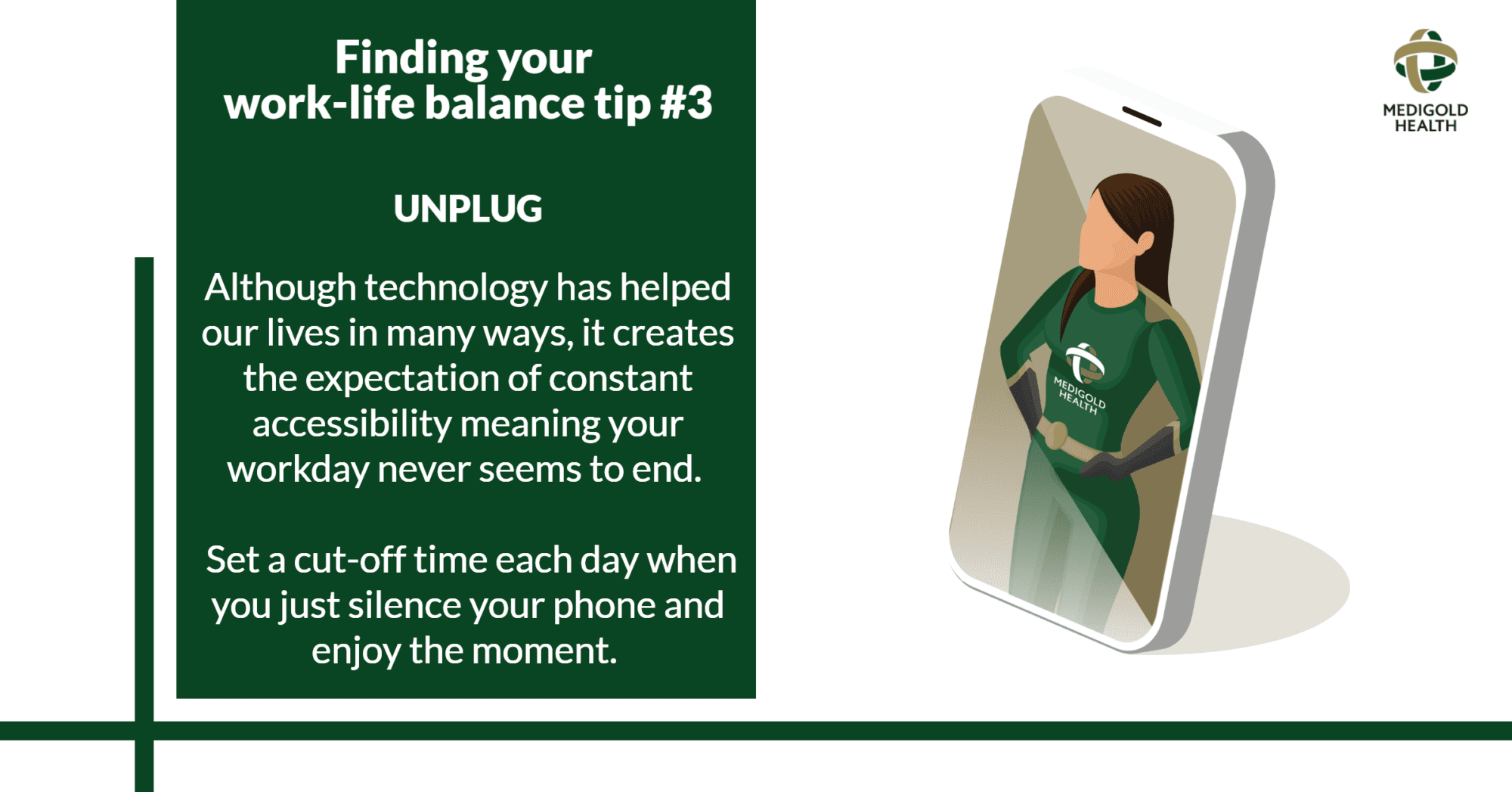
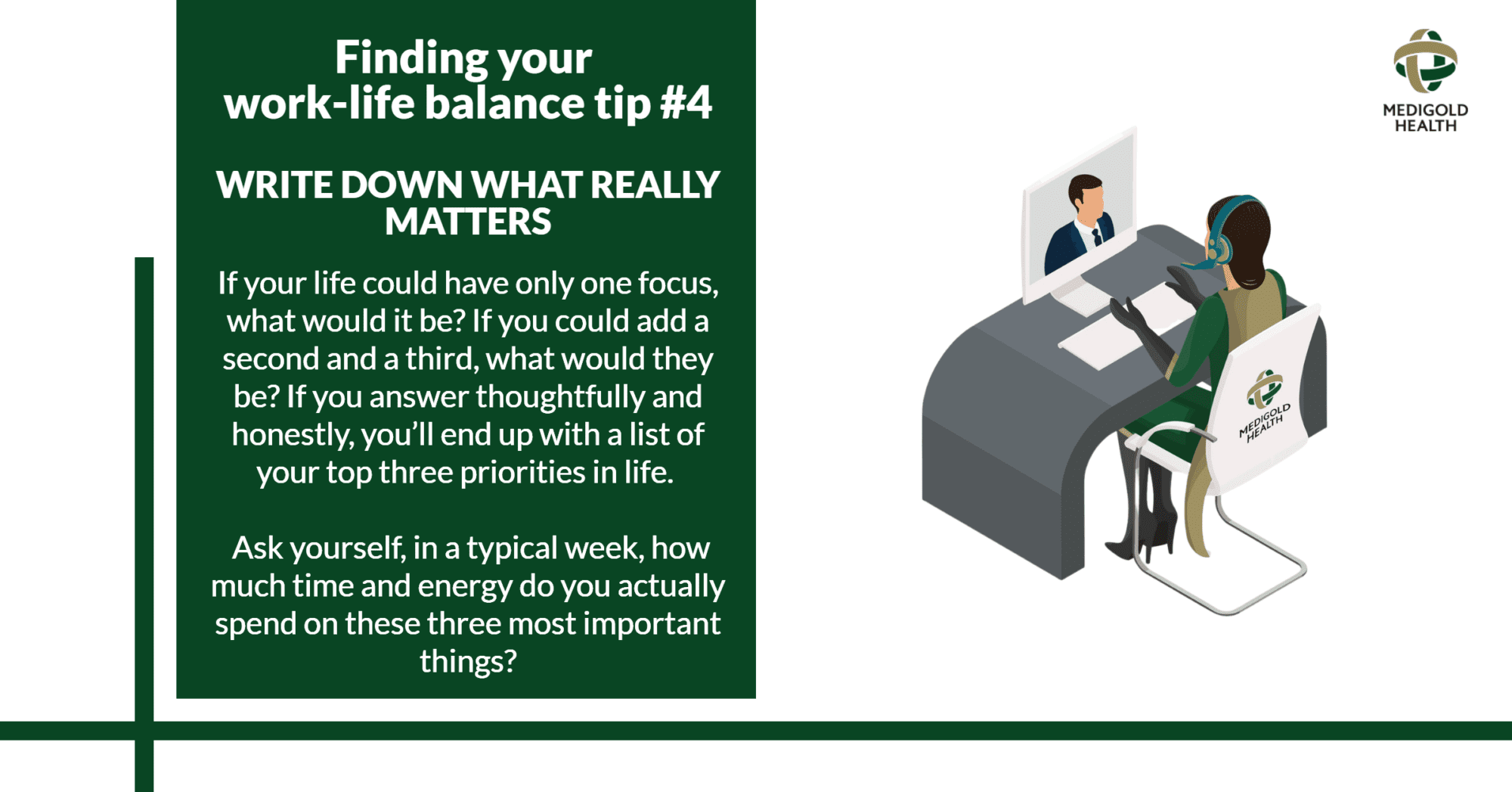
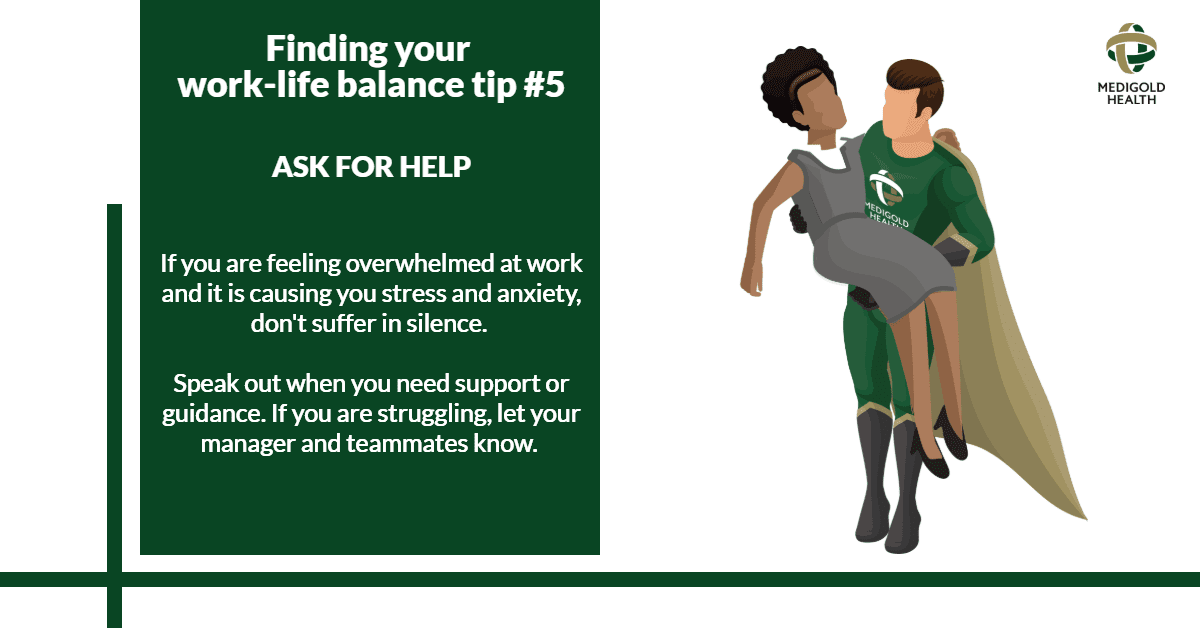
To find out more about National Work Life Week, visit Working Families | National Work Life Week – Working Families
If you’d like to learn about the various wellbeing programmes that Medigold Health offer to support your employees, check out Mental health at work – Medigold Health can help your employees (medigold-health.com)
The Latest from our Blog…
Check out our blog for all of the latest news, events and updates from Medigold Health.
-

HSE Campaign: Employers to prevent noise and vibration damage
Noise and vibration are two of the more common hazards in UK workplaces. Hearing loss and hand-arm vibration syndrome (HAVS) often develop slowly, and by the time a worker notices a problem, some of the damage could already be permanent. That is the message behind a new campaign from the[...]
Read More -
Health surveillance compliance: What UK employers need to know
For employers whose workers are exposed to certain occupational hazards, health surveillance is an important part of protecting employee health and safety and may be a legal requirement. Here, we explain what health surveillance is, when it’s needed and what employers need to do to stay compliant. What is health[...]
Read More -
Getting an OH Assessment: What is the process?
If you’ve been referred for an occupational health (OH) assessment, it’s natural to have questions about what it involves. Understanding the process can help make the experience feel more straightforward. An occupational health assessment is a confidential meeting with an occupational health professional. Its purpose is to understand how a[...]
Read More