
What are blood borne viruses, why is testing so important?
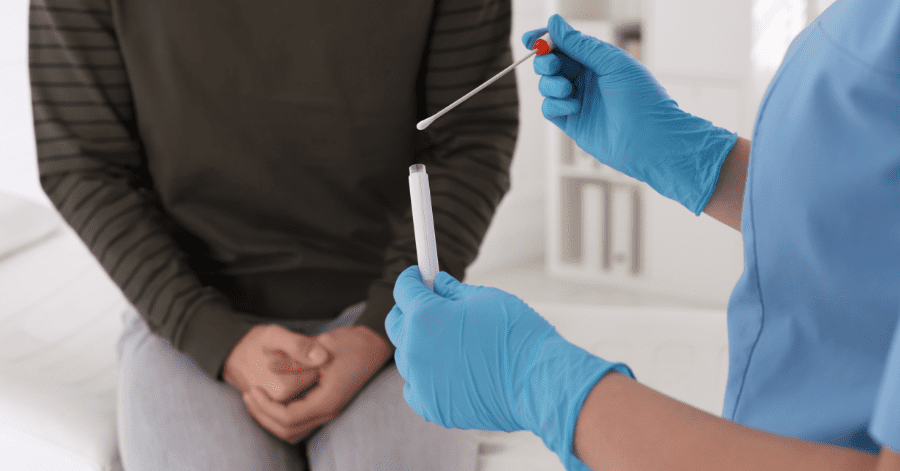
Blood-borne viruses (BBVs), including HIV, hepatitis B and hepatitis C, are viruses that can be transmitted through contact with infected blood or certain bodily fluids.
Here in the UK, it’s estimated that around 1 in 20 people living with HIV and 1 in 3 people with hepatitis C don’t know they have it. That means thousands are living with undiagnosed infections – often with no obvious symptoms – and could be at risk of developing serious health problems without even realising it.
To ensure a safe and healthy workplace, it’s important that organisations play their part in BBV awareness and testing – and that starts with education and access.

Why is it important to be aware of blood borne viruses?
When left untreated, BBVs can have a serious impact on individual health. HIV weakens the immune system, making it harder to fight infections, while hepatitis B and C can cause lasting liver damage, increase the risk of liver cancer and, in some cases, lead to liver failure.
The good news? There are effective treatments that can slow or even stop these viruses from progressing, and with early diagnosis through BBV testing, many people go on to live long, healthy lives.
Where are people most at risk of exposure to blood borne viruses in the workplace?
BBVs aren’t passed on through casual contact like shaking hands or sharing cups or utensils; they’re transmitted through direct contact with infected blood or bodily fluids.
Some jobs naturally carry a higher risk of exposure, particularly those involving regular handling of sharps, blood or body fluid samples, or direct work with patients or vulnerable individuals who may have undiagnosed or untreated BBVs. These include roles in:
- Frontline emergency and healthcare settings – due to the nature of patient care and potential contact with blood and bodily fluids.
- Custodial and prison services – where there may be increased risk of sharps injuries or other exposure incidents.
- Needle exchange services – where staff work closely with individuals using injecting equipment.
- Refuse disposal and cleaning services – particularly those dealing with contaminated waste or potential exposure to blood or sharps.
- Laboratories – where staff handle blood and body fluid samples that could be infected with BBVs.
- Tattoo and piercing studios – where strict hygiene and sterilisation practices are essential to prevent transmission of infections.
Fortunately, there are a number of ways employers and individuals can help prevent the spread of blood borne viruses.


How to prevent the spread of blood borne viruses
Employers and employees can work together to reduce the risk of BBV transmission by implementing preventative measures, including:
- Maintaining strict hygiene standards – Safe disposal of sharps, thorough handwashing and proper cleaning of equipment and surfaces all help minimise the chance of accidental exposure.
- Using the right PPE – Providing and wearing the correct protective equipment (such as gloves, masks, aprons and eye protection) where required adds an important layer of defence and reassures staff that their safety is being prioritised.
- Include BBV testing in health programmes – Offering HIV and hepatitis testing, particularly for employees in higher-risk roles, allows for early detection and timely treatment and reduces the likelihood of infection transmission.
Why blood borne virus testing is so important
Regular BBV testing is quick, confidential and, in many cases, life changing. An HIV or hepatitis test can give individuals peace of mind, enable access to the right treatment at the earliest opportunity, and significantly reduce the risk of unknowingly passing the virus on to others.
For employers, offering routine BBV testing is a proactive way to protect your workforce and demonstrate compliance with industry regulations. It can also bring wider benefits, helping to reduce healthcare needs, lessen the risk of long-term sickness absence and minimise any associated impact on productivity. Most importantly, it shows your people that you care about their wellbeing and helps you create a safer, healthier workplace for everyone.
Protect your people with fast, flexible blood borne virus testing
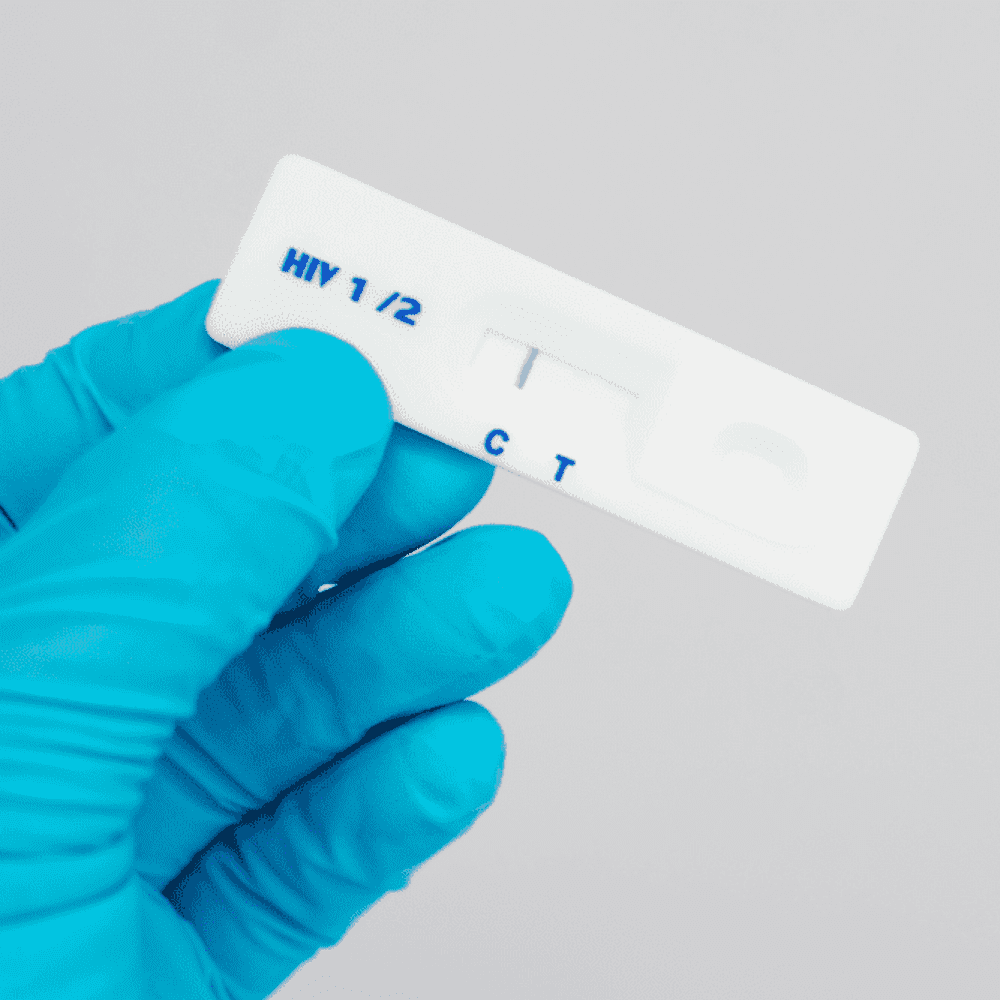
At Medigold Health, we offer a range of BBV tests, including Hepatitis B Surface Antigen, Hepatitis C and HIV. Our instant tests deliver results in just 15 minutes, with no need for lab processing or long waits, so you can act quickly and confidently.
Get in touch today to learn more!
The Latest from our Blog…
Check out our blog for all of the latest news, events and updates from Medigold Health.
-

Getting an OH Assessment: What is the process?
If you’ve been referred for an occupational health (OH) assessment, it’s natural to have questions about what it involves. Understanding the process can help make the experience feel more straightforward. An occupational health assessment is a confidential meeting with an occupational health professional. Its purpose is to understand how a[...]
Read More -
Supporting employee wellbeing when working from home
Remote and hybrid working are now a well‑established part of working life across the UK. From corporate teams and professional services to healthcare providers and fast‑growing tech businesses, many organisations now offer a mix of home- and office‑based work. ONS data quoted by HSE showed that around 38% of workers[...]
Read More -
The World Cup effect: Are your employees match‑ready for work?
The World Cup is fast approaching and excitement is building. From nail‑biting finishes and surprise knockouts to penalty dramas and spectacular goals, sporting events like these can be a catalyst for water-cooler conversations, bringing people together and helping to lift team morale. However, they can also bring challenges in the[...]
Read More