Protecting your new recruits: Why supporting employee health matters from day one

Starting a new job is a big moment: new faces, new systems, new expectations. For employers, welcoming a new member of the team is a real opportunity to set the tone for a healthy, supportive working relationship.
Each year, millions of UK employees move into new roles, whether they’re joining a new company, changing departments, or returning to work after a period away. With so many people stepping into unfamiliar environments, it’s important for organisations to think about how well they’re protecting the health and wellbeing of their new recruits.
Getting this right isn’t just about ticking compliance boxes. It’s about helping people feel safe, supported and able to perform at their best from day one. Here are some practical ways employers can protect the health of new staff – and why it makes such a difference.
Start with pre-placement health screening

One of the most effective ways to protect new recruits is through pre-placement health screening. Done well, this helps ensure employees are medically fit for the role they’re about to undertake and that any potential risks are identified early.
Pre-placement health screening allows employers to understand whether a role could aggravate an existing condition, whether adjustments may be needed, or whether additional support should be put in place. For physically demanding roles, safety-critical positions, or jobs with exposure to certain hazards, pre-placement health screening is particularly important. Employees may also need a Fit to Work Assessment.
It’s worth remembering that pre-placement health screening isn’t about excluding people. Instead, it’s about matching the person to the role safely and responsibly. When used correctly, pre-placement health screening supports fair recruitment, reduces absence, and helps employers meet their legal obligations while protecting employee wellbeing.
Use health surveillance to spot issues early
Once a new recruit is in post, ongoing health protection remains key. This is where health surveillance can play an important role.
Health surveillance is designed to detect early signs of work-related ill health where employees are exposed to specific risks such as noise, vibration and hazardous substances. Conducting base-line health surveillance for new starters where required – and explaining why it’s in place – reassures them that their health is being taken seriously.
For employers, health surveillance supports long-term compliance and risk management. For employees, it provides reassurance and early intervention if something isn’t right. It’s a win-win that helps prevent small issues from becoming bigger problems.


Ask about disabilities and workplace adjustments
Starting a new role can be daunting, especially for employees with disabilities, long-term conditions, or neurodivergent needs. Creating a safe space to talk about workplace adjustments early on can make a huge difference to confidence and performance.
Asking the right questions during onboarding – and encouraging open discussion about needs and adjustments – helps new recruits feel supported rather than singled out. Adjustments might include offering flexible working hours, providing specialist equipment, making changes to workload, or providing additional training time.
This approach isn’t just good practice; it’s also essential for compliance with equality legislation. More importantly, it shows new starters that their employer prioritises inclusivity and values their wellbeing from the very beginning.
Make sure they know what support is available
Many employees struggle simply because they don’t know where to turn for help. New recruits, in particular, may be unaware of the resources available to them or feel hesitant about asking, worried people might feel like they can’t cope or do their job.
During induction, take time to clearly signpost available support, such as occupational health services, employee assistance programmes, mental health support, wellbeing initiatives and workplace training opportunities. Reinforce this information beyond day one – people often forget details when they’re overloaded with new information.
When employees know what help exists and how to access it, they’re far more likely to seek support early. This proactive approach protects health, reduces absence, and builds trust between employers and employees.

Don’t overlook vaccinations and immunisations
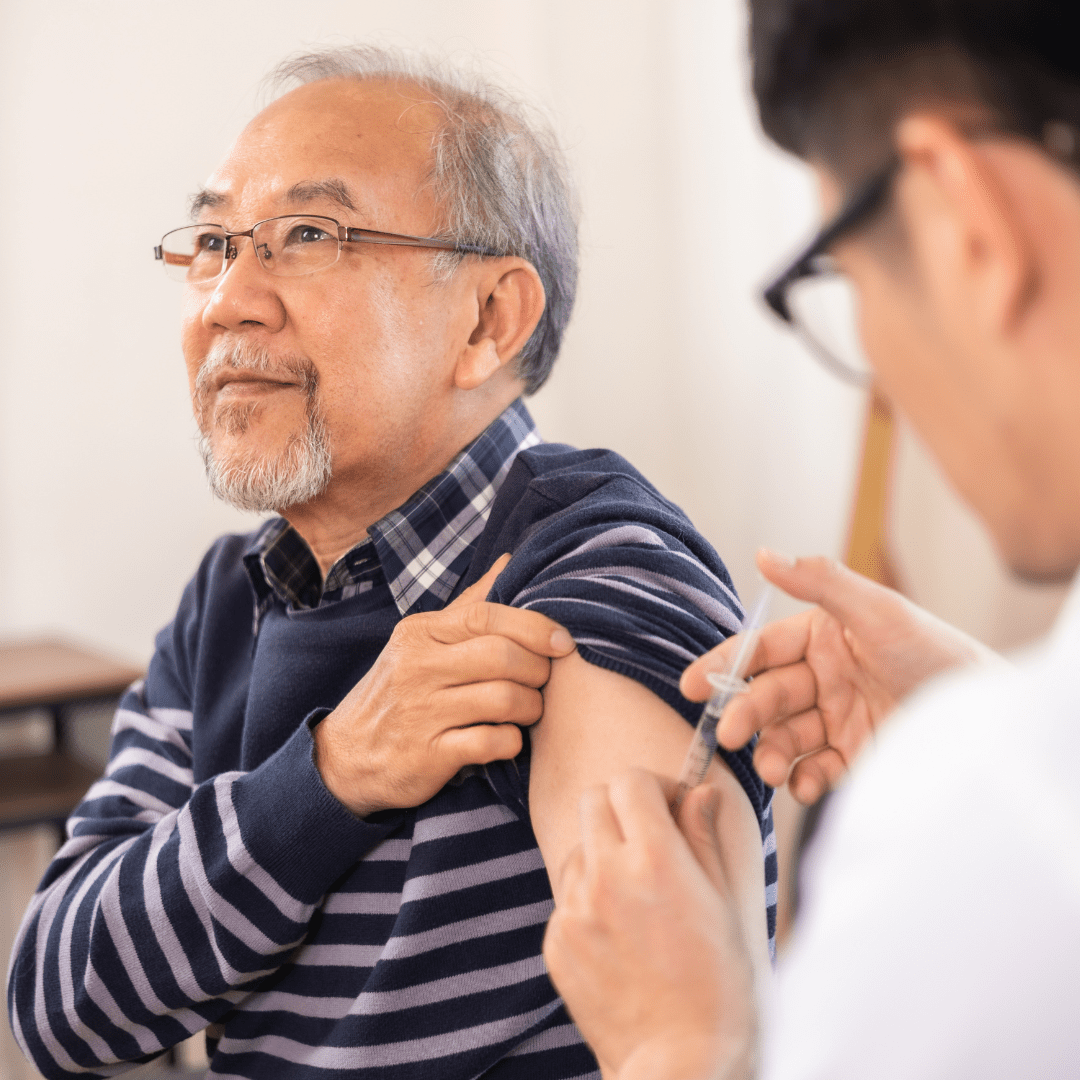
For certain roles, vaccinations and immunisations are a vital part of protecting new recruits. Employees working in health and social care, certain areas of education, laboratories, waste management or roles involving travel overseas may face increased exposure to infectious diseases.
Ensuring relevant vaccinations and immunisations are up to date helps protect individuals, their colleagues and the wider public. It also supports business continuity by reducing the risk of outbreaks and sickness absence.
Including immunisation checks as part of pre-placement health screening or early onboarding, where applicable, demonstrates a clear commitment to health protection and compliance, while helping new recruits feel safe in their working environment.
Training matters too
Protecting health isn’t only about medical checks. Effective workplace training plays a crucial role in keeping new starters safe. From manual handling and DSE training to mental health awareness and role-specific safety instruction, training equips employees with the knowledge they need to work safely and confidently.
Good workplace training reduces accidents, supports compliance, and empowers employees to take responsibility for their own wellbeing. For new recruits, it also helps them settle in faster and feel more capable in their role.

We can help
Protecting the health of new recruits isn’t a one-off task – it’s an ongoing commitment that begins before they start and continues throughout employment.
If you’d like support with pre-placement health screening, health surveillance, workplace training or wider occupational health services, get in touch with Medigold Health today and find out how we can help protect your new recruits from day one.
The Latest from our Blog…
Check out our blog for all of the latest news, events and updates from Medigold Health.
-

Health surveillance compliance: What UK employers need to know
For employers whose workers are exposed to certain occupational hazards, health surveillance is an important part of protecting employee health and safety and may be a legal requirement. Here, we explain what health surveillance is, when it’s needed and what employers need to do to stay compliant. What is health[...]
Read More -
Getting an OH Assessment: What is the process?
If you’ve been referred for an occupational health (OH) assessment, it’s natural to have questions about what it involves. Understanding the process can help make the experience feel more straightforward. An occupational health assessment is a confidential meeting with an occupational health professional. Its purpose is to understand how a[...]
Read More -
Supporting employee wellbeing when working from home
Remote and hybrid working are now a well‑established part of working life across the UK. From corporate teams and professional services to healthcare providers and fast‑growing tech businesses, many organisations now offer a mix of home- and office‑based work. ONS data quoted by HSE showed that around 38% of workers[...]
Read More