Health and wellbeing in the workplace: What 2026 means for employers

As we look ahead to 2026, health and wellbeing in the workplace continues to move up the business agenda. UK employers are navigating rising absence levels, growing mental health needs, evolving ways of working and a workforce that expects more from them than ever before. As a result, employee health and wellbeing is no longer seen as a ‘nice to have’ but an essential part of business success.
In this article, we explore the workplace health and wellbeing trends that will define 2026 and how your business can build practical, sustainable workplace wellness strategies to support your people.
Everyday support for mental wellbeing

Mental health remains one of the biggest challenges facing UK workplaces. Around one in four people experience a mental health problem each year, and poor mental health costs UK employers an estimated £56 billion annually through absence, presenteeism and staff turnover.
In 2026, organisations will need to move beyond awareness campaigns alone and focus on action. Occupational Health (OH) providers plays a vital role in this process. By providing clinical guidance, recommending workplace adjustments and supporting structured return-to-work plans, they help translate awareness into real, practical support.
Occupational health plays a vital role in this process. By providing clinical guidance, recommending workplace adjustments and supporting structured return-to-work plans, occupational health helps translate awareness into real, practical support.
Mental health awareness training, Mental Health First Aid (MHFA) and manager training are also becoming essential tools, helping people to feel more confident in having supportive conversations and spotting early warning signs, so they can intervene before issues escalate.
When mental health training is combined with occupational health input, employers are better equipped to support wellbeing, while also maintaining productivity.
Finding balance in a flexible world
Flexible and hybrid working is now firmly part of modern working life. At the start of 2025, 28% of UK working adults were in hybrid roles, with 74% reporting improved work-life balance. However, flexibility also brings new challenges. Research shows that 91% of professionals regularly work outside their contracted hours, increasing the risk of burnout.
In 2026, employers and employees will need to work together to fine-tune flexible working arrangements to ensure they support wellbeing and business operations, rather than simply extend the working day.


Occupational health for smaller businesses
Occupational health is no longer just for large organisations. Smaller businesses are increasingly recognising the value of proactive health support – particularly when managing absence, supporting mental health and meeting legal responsibilities.
Accessible solutions like Medigold Health’s Protect service are designed with smaller businesses in mind. Protect offers straightforward access to occupational health advice, management referrals and early intervention support, via a simple subscription. For SMEs in 2026, this kind of practical protection will help them safeguard employee health and wellbeing while supporting business continuity.
New voices shaping the workforce
With Generation Z now firmly established in the workforce, expectations around workplace health and wellbeing are evolving. This generation values transparency, inclusion and employers who take meaningful action on mental health, disability inclusion, neurodiversity, sustainability and equality.
There is growing demand for early-career mental health support, clearer and more accessible pathways for workplace adjustments, and greater understanding of neurodivergent and disabled employees’ needs. A stronger emphasis on psychological safety is also key. Employers that embed employee health and wellbeing into everyday culture – and create environments where everyone can thrive – will be better placed to attract, engage and retain talent.


Private health offerings and preventative care
Ongoing pressure on NHS services continues to drive interest in private healthcare offerings as part of workplace wellbeing strategies. Employers are increasingly using private medical insurance, private GP appointments, and occupational health assessments to reduce waiting times and support faster recovery.
Looking ahead to 2026, the emphasis is firmly on prevention. Health surveillance, preventative primary care services, wellbeing assessments and early intervention delivered through occupational health help identify risks before they become bigger problems, supporting long-term workplace wellness and healthier working lives.
Looking ahead
As we move into 2026, one thing is clear: investing in employee health and wellbeing is an investment in the future of your organisation.
Whether you’re a large employer or a smaller business, proactive occupational health services, combined with mental health awareness training and accessible solutions like Medigold Health Protect, can help you create a healthier, happier and more resilient workplace.
The Latest from our Blog…
Check out our blog for all of the latest news, events and updates from Medigold Health.
-

Health & Wellbeing at Work 2026: Show round-up and highlights!
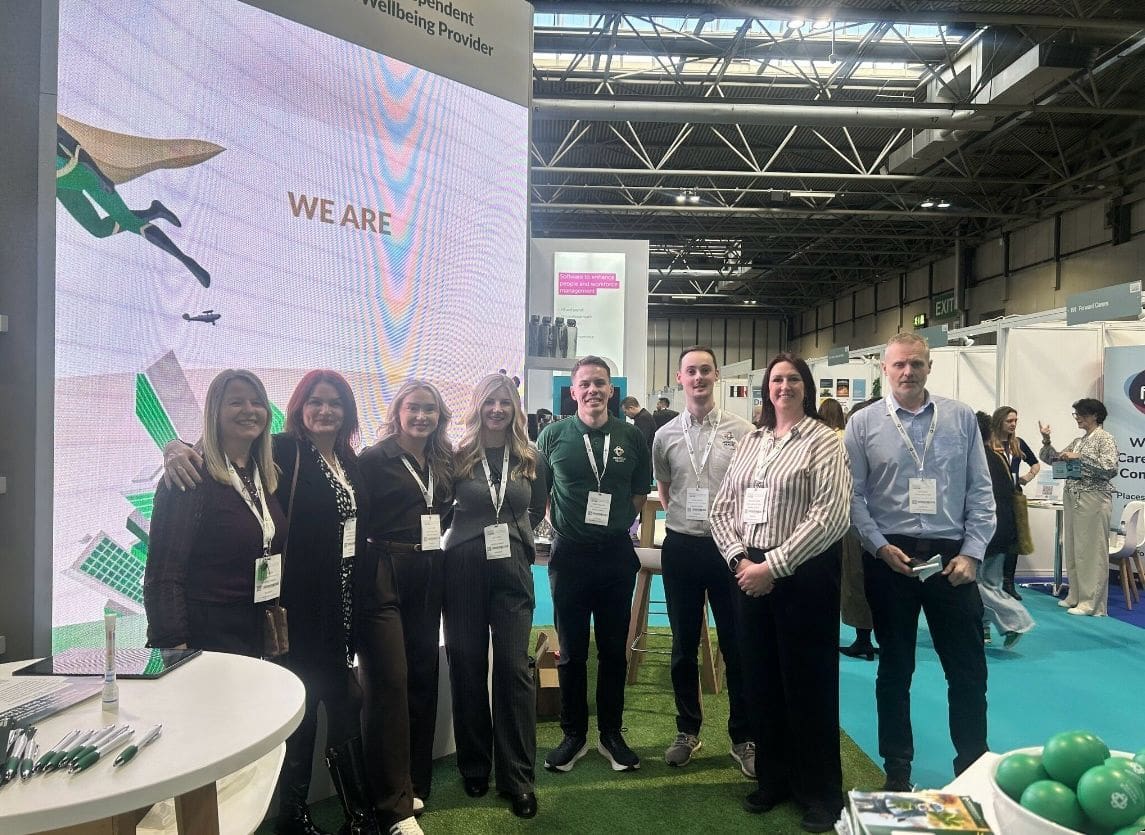
On March 10th and 11th, our Medigold team once again headed to the Health & Wellbeing Show, where we were proud to return as this year’s Headline Sponsor. It proved to be an incredibly successful two days – full of meaningful conversations, high‑energy engagement and a fantastic opportunity to showcase[...]
Read More -
Neurodiversity Celebration Week 2026: From awareness to action
Neurodiversity Celebration Week began in 2018 with the goal of challenging stereotypes, breaking down misconceptions, and recognising the many skills and strengths of neurodivergent individuals. As we move into Neurodiversity Celebration Week 2026, the conversation is shifting. This year’s theme – “From awareness to action” – is a clear call[...]
Read More -
Reasonable Adjustments Series: Anxiety
This blog is written by Barrie Norman Jnr – Senior Mental Health First Aid and Suicide First-Aid trainer, and Operational Lead. Anxiety is something most of us experience at some point in our working lives. In the UK, millions of working age adults report symptoms of anxiety each year, which means it is very likely present[...]
Read More